

A destination wedding offers couples the chance to exchange vows in a breathtaking location while creating unforgettable memories with loved ones.
Unlike a traditional local wedding, it involves unique challenges, including coordinating travel, securing accommodations, navigating legal requirements, and managing vendors from afar. Knowing how to plan a destination wedding is essential to balance these logistics with the joy of celebrating your love in a special setting.
This guide provides step-by-step instructions, practical tips, and expert advice to help you create a seamless, stress-free celebration. And if you are planning an all-inclusive destination wedding, let our professional wedding planners help you with everything you need!
Destination Wedding Planning Timeline Overview

Understanding how to plan a destination wedding is much easier when you follow a clear, structured timeline. Because destination weddings involve travel logistics, legal considerations, and guest coordination, timing is critical. This high-level planning timeline keeps you organized while ensuring your guests have enough notice to prepare.
12+ Months Before:
Start with the big-picture decisions. Set your destination wedding budget, choose your destination, and research weather, accessibility, and legal marriage requirements. Secure your venue early, especially for popular locations or peak seasons. If you plan to hire a destination wedding planner, this is the ideal time. Begin drafting your guest list and decide whether your ceremony will be legal or symbolic.
9–12 Months Before:
Shift focus to guest communication and core planning. Send save-the-dates so guests can book flights and request time off. Launch a wedding website with travel details, accommodation options, and FAQs. Begin confirming key vendors such as photographers, caterers, and florists, especially if they are not included with your venue.
6 Months Before:
Send formal invitations and track RSVPs. Finalize accommodations or room blocks and share booking deadlines. Order wedding attire to allow time for fittings and alterations. Confirm menu options, taking dietary restrictions and local cuisine into account. Start outlining your wedding-week timeline.
3 Months Before:
Follow up on outstanding RSVPs and finalize guest counts. Confirm décor, seating layouts, transportation, and vendor schedules. Share travel reminders and event details with guests to avoid confusion.
1 Month Before:
Double-check contracts, timelines, and payments. Finalize seating charts and prepare travel documents. Pack wedding attire in carry-on luggage and assemble an emergency kit.
Week Of:
Arrive early, conduct venue walkthroughs, confirm final details, and delegate responsibilities. With planning complete, relax and enjoy your destination wedding experience.
Planning your wedding? Let’s make a destination one! We will make sure your big day is seamless. Contact us today for customized assistance!
Step-by-Step Instructions: How to Organize a Destination Wedding
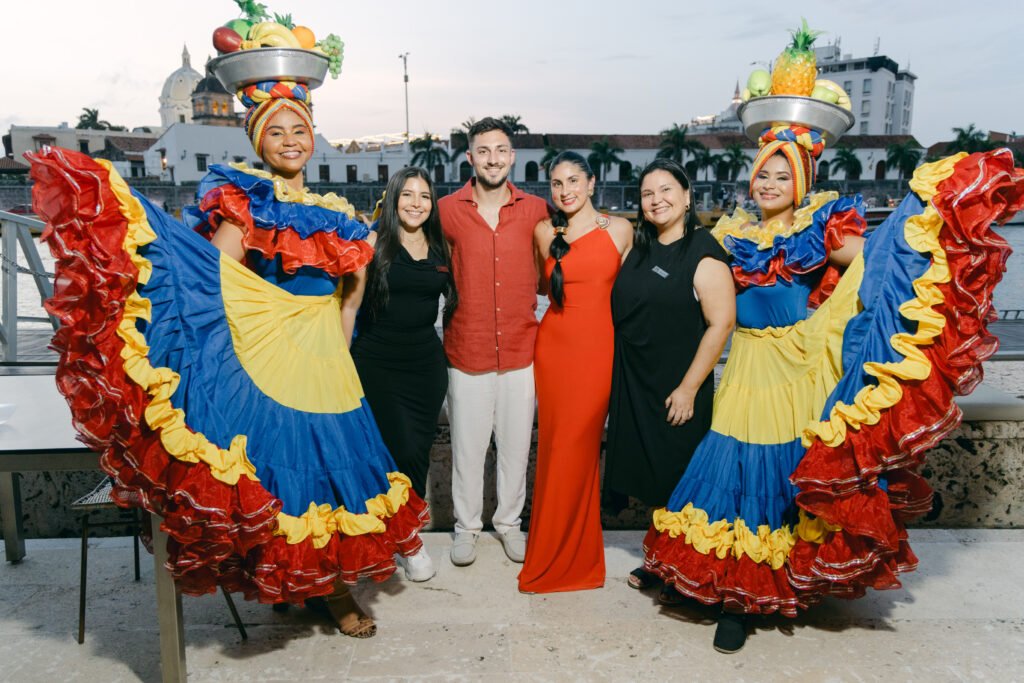
Step 1: Establish a Realistic Destination Wedding Budget
Every successful destination wedding begins with a well-defined budget. Before selecting a location or venue, it is essential to understand how much you can realistically spend and where your priorities lie (You can use our destination wedding calculator). Destination weddings can be surprisingly cost-effective, but only when planned intentionally.
Knowing how to organize a destination wedding financially means aligning your spending with what matters most to you as a couple, whether that is the location, the guest experience, or photography that captures every moment.
Start by assessing your financial situation, including savings, potential family contributions, and any flexibility you may have. Then research average wedding costs in your preferred destinations. Prices can vary dramatically depending on location, season, and level of luxury. A beach wedding in Cartagena, for example, may cost significantly less than a wedding in certain European capitals.
Your budget should include venue fees, travel expenses, accommodations, food and beverages, décor, photography, attire, legal paperwork, and gratuities. Do not forget additional events such as welcome dinners, farewell brunches, or group excursions, which are common in destination weddings.
It is also wise to set aside 10–15% of your total budget as a contingency fund. Unexpected expenses, such as last-minute transportation needs, weather adjustments, or vendor changes, are common when planning from afar.
Our wedding planners are well-versed in wedding budgets and can give you the best custom advice depending on your individual preference. Contact us today for more information.
Step 2: Choose the Right Destination for Your Wedding Vision
Choosing the right destination is a foundational step in learning how to plan a destination wedding that feels effortless rather than stressful. It is one of the most personal and impactful decisions in the entire planning process. The right location should reflect your shared interests, personalities, and vision for the celebration.
Begin by imagining the atmosphere you want to create. Do you envision a relaxed beachfront ceremony, a historic city celebration, a countryside escape, or a tropical resort experience? Once you define the mood, narrow your options by considering accessibility, climate, and guest convenience.
Accessibility plays a major role in guest attendance. While remote locations can be breathtaking, destinations with international airports, straightforward visa requirements, and reliable transportation tend to be more guest-friendly. Weather is equally important. Research seasonal conditions carefully to avoid hurricane seasons, extreme heat, or heavy rainfall.
Cultural and legal considerations should also influence your choice. Some destinations require residency periods or specific documentation for legal marriages, while others make the process simple. Many couples choose to legally marry at home and host a symbolic ceremony abroad to simplify logistics.
Cartagena is one of the best wedding destinations in the world for couples and their guests. Let our wedding planners organize your entire celebration for a unique experience.
Step 3: Work with Venue Coordinators or a Local Wedding Planner
One of the smartest decisions couples make when learning how to plan destination wedding events is hiring professional support on the ground. Planning from another country or city introduces challenges that local expertise can easily resolve.
Many venues offer in-house coordinators who specialize in destination weddings and handle logistics such as vendor coordination, timelines, and setup. Alternatively, a local wedding planner can provide broader support, especially if your event includes multiple locations or custom details.
When selecting a planner or coordinator, look for experience, transparent pricing, strong communication, and positive reviews. Schedule consultations to discuss your vision, budget, and expectations. Clear communication is essential; share inspiration photos, color palettes, and priorities so they fully understand your style.
Local professionals bring invaluable knowledge of reliable vendors, regional customs, and legal requirements. Trusting their expertise while staying actively involved creates a collaborative partnership that reduces stress and improves outcomes.
We can plan your entire destination wedding to give you and your guests a unique and memorable experience. We customize your entire trip and accommodate all your wedding needs.
Step 4: Create Your Guest List and Manage RSVPs Strategically
Destination weddings naturally result in smaller, more intimate guest lists, but deciding who to invite can still be emotionally complex. Begin by listing your must-have guests, such as immediate family and close friends, and work outward from there.
When determining numbers, consider venue capacity, budget, and travel logistics. It is normal, and expected, that some guests will decline due to time, cost, or personal obligations. Understanding this reality helps reduce disappointment and guilt.
Communicate early. Once you confirm your date and destination, inform guests well in advance so they have time to plan travel, request time off work, and budget accordingly. Wedding websites and digital RSVP tools are invaluable for collecting responses, dietary preferences, and travel details efficiently. Managing RSVPs thoughtfully is a crucial part of how to organize a destination wedding that feels inclusive and well-coordinated.
Step 5: Design and Send Destination Wedding Invitations
Your invitations are the first tangible glimpse guests receive of your destination wedding. They should reflect the tone of the celebration while clearly communicating essential information.
In addition to ceremony details, invitations should include travel guidance, accommodation options, dress codes, and RSVP instructions. Many couples supplement printed invitations with a detailed wedding website that houses schedules, maps, FAQs, and booking links.
Sending save-the-dates 9–12 months in advance is strongly recommended for destination weddings. Formal invitations typically follow 3–4 months before the wedding date.
Clear, visually appealing invitations reduce confusion and help guests feel excited and prepared, reinforcing your confidence in how to do a destination wedding the right way.
Save yourselves from hours of grueling planning and stressing by working with us
Step 6: Select and Confirm Local Wedding Vendors

Strong vendor relationships are the backbone of a successful destination wedding and choosing the right vendors is essential to bringing your vision to life. Research photographers, caterers, florists, musicians, hair and makeup artists, and rental companies within your destination.
Review portfolios carefully and schedule virtual consultations to assess style compatibility and professionalism. Ask about experience with destination weddings specifically, as these events often require flexibility and cultural awareness.
Contracts should clearly outline services, timelines, payment schedules, and cancellation policies. Whenever possible, book key vendors early to secure availability, especially during peak wedding seasons.
We are always happy to chat and help you plan your big day. Get in touch with our team today to make your destination wedding dreams come true!
Step 7: Understand and Fulfill Legal Requirements
Destination weddings often involve navigating legal requirements, and they vary widely by destination and must be addressed early in the planning process. Handling legalities correctly ensures your marriage is valid and recognized, an essential aspect of how to plan a destination wedding responsibly.
Some locations require residency periods, blood tests, or translated documents, while others have minimal requirements.
Research marriage laws thoroughly or consult with a local planner or legal expert about any cultural or religious customs that may impact your ceremony. Required documents often include passports, birth certificates, divorce decrees (if applicable), and affidavits of marital status.
Many couples simplify the process by completing a legal ceremony at home and hosting a symbolic ceremony abroad. This approach offers flexibility while avoiding bureaucratic stress.
Ready to plan your dream wedding? Please fill out the form below, and our team will get back to you to make your vision a reality!
Step 8: Arrange Guest Accommodations Thoughtfully
Accommodations significantly impact the guest experience. And providing accommodation guidance is not about controlling guest choices, but about making attendance easier and more enjoyable. Research luxury resorts, boutique hotels, vacation rentals, and guesthouses near your venue, and aim to offer a range of price points.
Group rates or room blocks can provide discounts and keep guests close together, fostering a sense of community. Share booking details clearly and set reservation deadlines.
Step 9: Coordinate Transportation and Event Logistics
Transportation logistics should be planned carefully, especially when venues are not centrally located. Consider airport transfers, shuttles to events, and transportation for the wedding party.
Create a detailed wedding timeline outlining the flow of all events, from arrival days and welcome gatherings to the ceremony and farewell brunch. Share this timeline with vendors, planners, and guests as appropriate.
Having contingency plans in place for weather, travel delays, or vendor issues allows you to stay calm and adaptable.
Need help planning or destination wedding? Reach out to our local planners or wedding specialists; they will help you maximize every dollar.
Step 10: Finalize Details and Prepare for the Big Day
Confidence in your preparation allows you to be fully present on your wedding day.As your wedding approaches, finalize all remaining details to ensure a smooth and stress-free experience. This includes reviewing all contracting, confirming vendor arrangements, and finalizing seating plans and layouts. Communicate last-minute updates clearly and efficiently.
Prepare an emergency kit with essentials such as medication, sewing supplies, stain remover, and copies of important documents. Assign a trusted contact to handle day-of questions so you can focus on enjoying the moment.
Let us help you in the organization, planning, and during your trip to your dream destination wedding. Fill out the form and one of our experts will contact you!
Step 11: Protect Your Investment with Travel and Wedding Insurance
Destination weddings involve multiple financial commitments, making insurance a smart and often necessary safeguard. Comprehensive coverage can protect against trip cancellations, medical emergencies, lost luggage, and vendor issues.
Purchase insurance early to maximize coverage, particularly if you are paying deposits well in advance. This step offers peace of mind and protects the effort you have invested in learning how to plan destination wedding celebrations properly.
Step 12: Transition Seamlessly from Wedding to Honeymoon

One of the greatest benefits of a destination wedding is the ability to transition directly into your honeymoon. Pack strategically by combining wedding essentials with versatile honeymoon attire.
Keep your destination wedding dress and important items in carry-on luggage, and pack climate-appropriate clothing, documents, and personal comforts. Thoughtful packing ensures a smooth shift from celebration to relaxation.
If you want to plan your entire destination wedding trip but don’t know where to start, we can help you with everything!
How to Plan Destination Wedding FAQs

How Long Does It Take to Plan a Destination Wedding?
On average, destination weddings take 12–14 months to plan, especially when guest travel is involved. This timeline will give you enough space to secure the best locations while allowing your guests enough time to RSVP and make travel arrangements. However, weddings can be planned more quickly with all-inclusive venues or experienced planners.
The key difference from local weddings is giving guests ample time to prepare. Early booking and clear communication make even shorter timelines achievable.
What is the Best Time to Host a Destination Wedding
The ideal timing depends on your chosen location and season. Tropical regions are often best from December to April, while shoulder seasons offer better pricing and fewer crowds. Avoid major holidays and extreme weather seasons to maximize comfort and value.
Beach destination weddings require similar considerations. Tropical regions face hurricane seasons from June to November. Spring (April to June) and early fall (September to October) provide a balance of pleasant temperatures and a more relaxed atmosphere, ideal for coastal weddings.
What should couples consider when planning wedding attire for a destination wedding?
Wedding attire logistics are a crucial yet often underestimated part of learning how to plan a destination wedding. Unlike local weddings, destination celebrations require careful coordination to ensure attire arrives safely, fits properly, and suits the climate.
Couples should prioritize wrinkle-resistant fabrics, lightweight materials, and silhouettes that are comfortable for travel and weather conditions. Brides may want to avoid overly heavy gowns for tropical or humid locations, while grooms should consider breathable suits or linen blends. Footwear should also match the terrain—heels may not be practical for sand, cobblestone streets, or grassy venues.
It’s also important to pack accessories, shoes, and jewelry in carry-on luggage to avoid delays or loss.
Is it better to ship wedding attire or carry it when traveling?
For destination weddings, carrying attire is almost always the safer option. Wedding dresses, suits, and key accessories should be transported in carry-on garment bags whenever possible. Most airlines allow wedding attire as a carry-on if it meets size requirements.
Shipping attire internationally carries risks such as customs delays, lost packages, and unexpected fees. If shipping is unavoidable, couples should use insured, trackable courier services and ship items well in advance.
Can wedding attire alterations be done abroad?
While minor alterations can sometimes be done at the destination, relying on last-minute tailoring abroad is risky. Differences in sizing standards, language barriers, and limited time can complicate the process.
Ideally, all major alterations should be completed before travel. Couples should allow enough time for fittings at home and pack small emergency sewing kits just in case. If a destination planner is involved, they may recommend trusted local tailors for minor adjustments.
How does climate affect destination wedding planning?
Accounting for climate is a key factor in successfully planning how to organize a destination wedding that is comfortable and enjoyable for everyone. Climate considerations should influence nearly every decision, from attire and décor to ceremony timing and menu choices. Hot or humid destinations require breathable fabrics, shaded ceremony spaces, hydration stations, and lighter meals. Cooler destinations may need wraps, heaters, or indoor backup plans.
Weather patterns such as rainy seasons, hurricane seasons, or extreme heat should be researched early. Planning around shoulder seasons often provides a balance between pleasant weather, lower costs, and fewer crowds.
Why is cultural etiquette important for destination weddings?
Cultural etiquette and local customs are especially important for international destination weddings. Different countries have unique expectations regarding attire, ceremony structure, religious practices, and guest behavior.
For example, some destinations require modest attire in religious venues, while others have specific traditions surrounding food, music, or ceremony timing. Being respectful of local customs not only avoids misunderstandings but also enhances the authenticity of the experience.
Incorporating local traditions thoughtfully can make your celebration more meaningful and memorable, reinforcing a deeper understanding of how to plan destination wedding celebrations responsibly.
What food and menu considerations are unique to destination weddings?
Food and beverage planning for destination weddings often differs from local weddings due to ingredient availability, cultural cuisine, and tasting limitations. Menus are typically influenced by local flavors, seasonal ingredients, and venue capabilities.
Couples should discuss dietary restrictions early, including vegetarian, vegan, gluten-free, halal, or allergy-related needs. Clear communication with caterers is essential, especially when tastings are not possible in person.
When tastings cannot be done ahead of time, couples should rely on trusted vendor reviews, planner recommendations, and detailed menu descriptions. Many venues also offer sample menus based on popular guest preferences.
Is a destination wedding right for every couple?
Destination weddings are ideal for couples who value experience over tradition, prefer smaller guest lists, and enjoy travel and flexibility. They may not be ideal for those who feel strongly about large local gatherings or who prefer hands-on planning without delegation.
Ultimately, knowing how to organize a destination wedding also means knowing whether it fits your lifestyle, values, and vision for your wedding day.
What are the pros and cons of destination weddings?

Understanding the advantages and challenges helps couples decide whether a destination wedding is the right choice.
Pros include:
- Intimate guest lists and deeper connections
- Built-in travel and vacation experience
- Often lower overall costs than large local weddings
- Unique, memorable settings
- Extended time with guests
Cons include:
- Some guests may be unable to attend
- More complex logistics
- Legal requirements may be complicated
- Planning from afar requires trust in vendors
Weighing these factors honestly is essential to fully understanding how to plan a destination wedding that aligns with your priorities and expectations.
What tasks come after the destination wedding?
Post-wedding responsibilities are an often-overlooked part of how to do a destination wedding properly. After the celebration, couples may need to retrieve official marriage certificates, especially if the wedding was legally binding in another country.
Processing times vary by destination, and some documents may require translation or registration at home. Couples should confirm timelines with local authorities or planners.
Additional post-wedding tasks include leaving vendor reviews, settling final payments or tips, returning rentals, and sending thank-you notes to guests. Prompt thank-you messages are especially meaningful when guests have traveled far to attend.
Your Destination Wedding Awaits
Planning a destination wedding is a meaningful journey that combines love, travel, and celebration. By understanding how to plan a destination wedding step by step—and approaching each phase with intention, you can create an unforgettable experience that reflects your relationship and values. Want to have the best destination wedding? Find out what a Concierge service can do for you!





 English
  Spanish