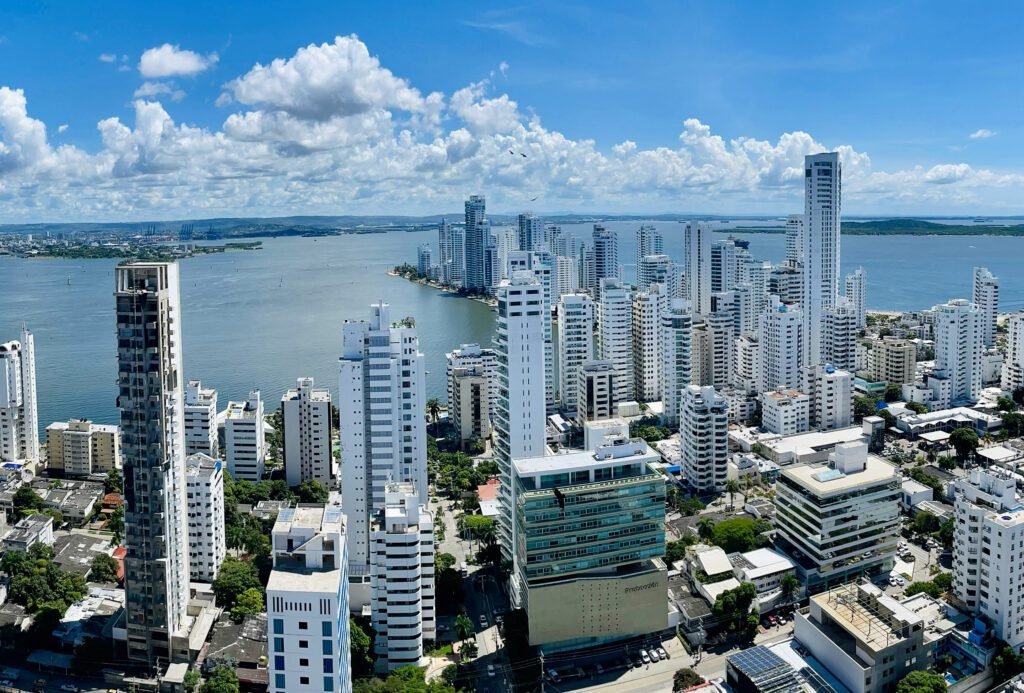
Cartagena is a historic coastal city in northern Colombia, located in the Bolívar Department along the Caribbean Sea. Set almost entirely at sea level, the city spans peninsulas, bays, lagoons, and nearby islands, with its historic center positioned at the entrance of Cartagena Bay, one of the most important natural harbors in the Caribbean.
For centuries, this strategic coastal location has shaped Cartagena’s identity as a center for maritime trade, cultural exchange, and tourism. Understanding exactly where Cartagena is located helps explain its tropical climate, distinctive urban layout, and deep maritime heritage, all of which contribute to its enduring appeal as one of Colombia’s most iconic destinations. And if you need help planning your discovery of Cartagena, our concierge team is ready to book your tours, restaurant reservations, and more.
Where Is Cartagena in Colombia?
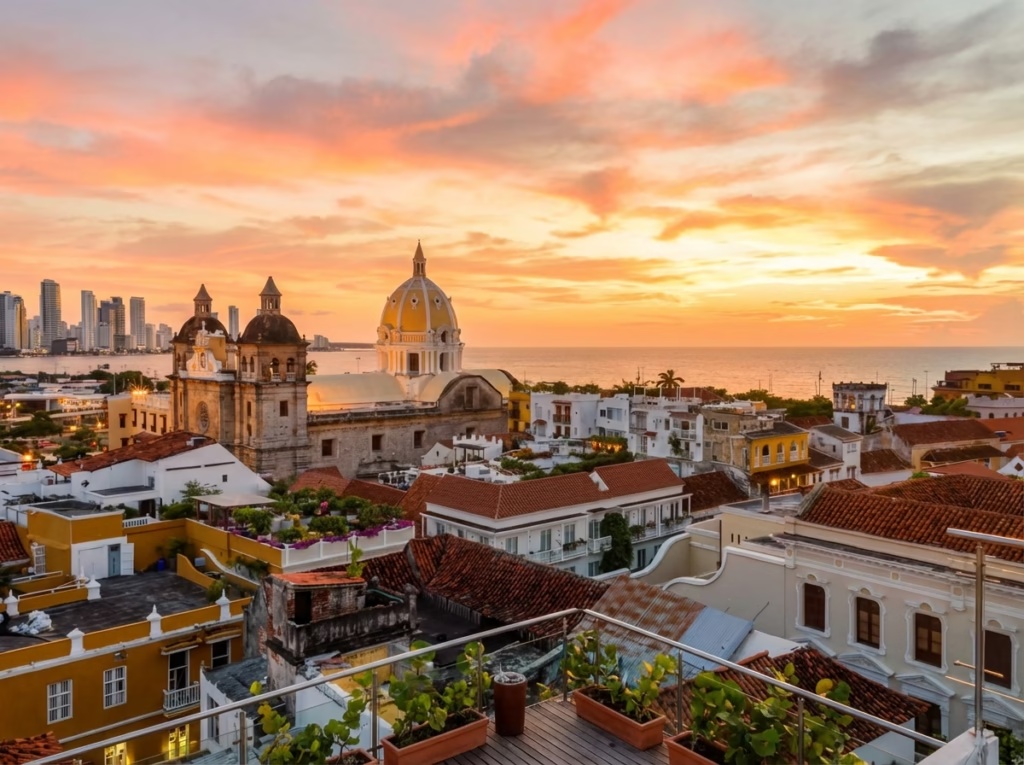
Cartagena is a historic coastal city located in northern Colombia along the Caribbean Sea, making it one of the country’s most iconic seaside destinations. Situated in the Bolívar Department, the city has long served as a major maritime gateway for both tourism and commerce.
Unlike inland cities such as Bogotá or Medellín, Cartagena sits nearly at sea level, which shapes its tropical climate, coastal culture, and economic history.
Geographically, Cartagena is positioned on Colombia’s northern Caribbean coast, in the Bolívar Department of northern Colombia. It sits at approximately 10°25′ N latitude and 75°32′ W longitude, placing the city just north of the equator and directly beside the Caribbean Sea, which influences its warm, humid climate and maritime character.
This location places Cartagena north in Colombia, along the Caribbean shoreline, west of Venezuela and southeast of Panama when viewed on a regional map. The city occupies a strategic maritime position at the mouth of Cartagena Bay, one of the safest natural harbors in the Caribbean, and this access to the open sea has been central to its historical role in trade, culture, and tourism.
Cartagena’s coastal setting stretches along a combination of peninsulas, bays, and lagoons, giving the city a unique urban and natural layout. The historic city center, known as the walled city or Centro Histórico, occupies a peninsula that juts into the Caribbean Sea, historically providing protection from naval threats while maintaining access to maritime trade routes. Modern districts expand along the shoreline and inland, balancing the city’s rich colonial heritage with contemporary residential, commercial, and tourism infrastructure.
The surrounding islands, including Tierra Bomba and Barú, add to the city’s geographic diversity and scenic charm, while Cartagena Bay continues to serve as a vital hub for shipping and maritime travel.
Want to go to Cartagena Colombia and have unforgettable experiences? Find out what our Concierge service can do for you!
Where Is Cartagena Located Exactly in Colombia and Why Its Caribbean Position Matters
Cartagena sits on the northern coast of Colombia, right on the Caribbean Sea, firmly placing it within South America’s Caribbean region. This region stretches along the coastline from Panama in the west to Venezuela in the east and includes both island nations and mainland coastal areas: with Cartagena as one of its most important continental cities.
Because the city lies directly on the southern edge of the Caribbean Sea, it shares many features of classic Caribbean destinations: consistently warm tropical weather, sea breezes, and a vibrant history shaped by centuries of maritime trade and cultural exchange.
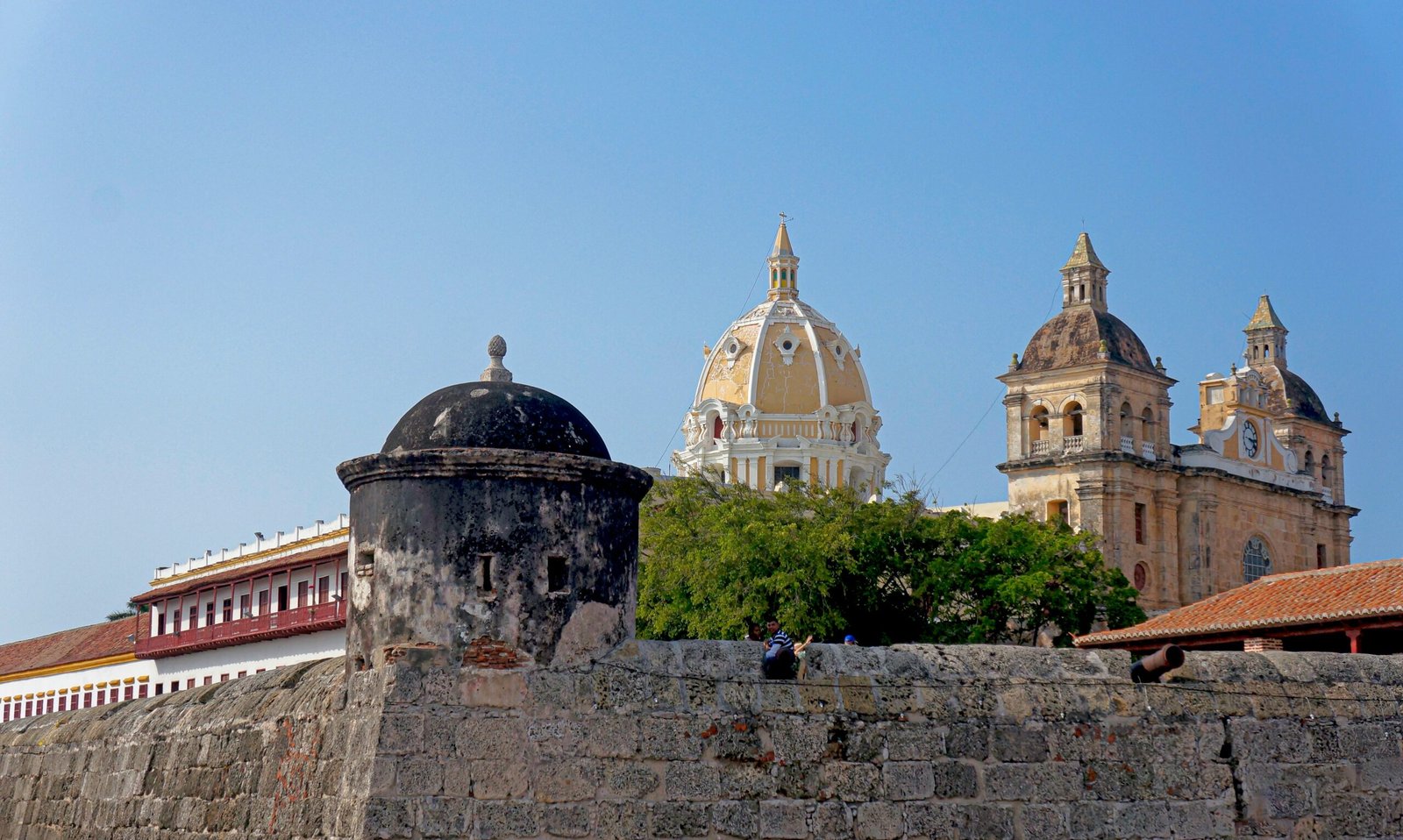
Geographically, Cartagena’s urban layout reflects this coastal setting. The historic heart of the city is perched on a peninsula that juts into the Caribbean, protected by colonial fortifications and overlooking one of the safest natural harbors in the entire region: the Cartagena Bay. Modern neighborhoods then spread inland and along the shoreline, making the city both a cultural gem and a functional port hub.
Cartagena’s Strategic Caribbean Role
Cartagena’s location hasn’t just shaped its climate and scenery. It’s also been central to regional commerce, culture, and navigation for centuries. Because it sits where trade routes between Europe, South America, and the Caribbean converge, the city became one of the most vital ports in the Americas during the colonial era and remains a major maritime gateway today.
This coastal position also influences the city’s cultural mix. Cartagena’s architecture, music, food, and celebrations reflect a blend of indigenous, Spanish, African, and Caribbean influences that developed through centuries of connections with other coastal communities and island cultures throughout the Caribbean.
Islands and Marine Landscape
Just offshore from Cartagena lie scenic island groups that further define its Caribbean character. The Rosario Islands and San Bernardo Archipelago are part of the Caribbean marine landscape and are popular destinations for snorkeling, beach visits, and island‑hopping trips from the city.
These islands, with coral reefs, white‑sand beaches, and turquoise waters, underline Cartagena’s marine identity as well as its ongoing role in regional maritime travel and tourism.
Continental Caribbean Context
It’s important to understand that the “Caribbean” is not only about tropical islands like Jamaica or the Dominican Republic, large sections of the Caribbean Basin lie along the coastlines of Central and South America, including Colombia’s northern shore.
Cartagena is one of the most enduring and dynamic examples of a continental Caribbean city: a place where urban history, trade, and maritime culture come together against the backdrop of warm waters and tropical sun
If you’re planning to visit Cartagena after learning about its location, check out the Best Things to Do in Cartagena, Colombia blog for activities that make the most of its coastal setting.
Cartagena’s Location and the Department of Bolívar
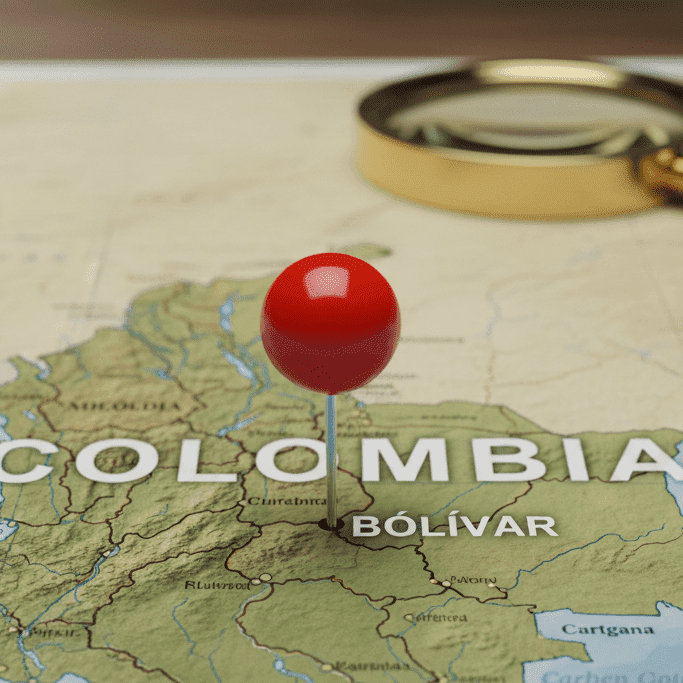
Cartagena serves as the capital of Bolívar Department, a diverse administrative region in northern Colombia that spans Caribbean coastlines, river plains, wetlands, and inland agricultural zones.
While much of Bolívar is rural and focused on farming and local industries, Cartagena acts as the department’s international gateway, drawing tourists, foreign investment, and global attention. Its historical significance, modern infrastructure, and vibrant cultural scene make it the economic and social hub of the region.
From Cartagena, travelers can easily explore the Magdalena River basin, nearby colonial towns, protected mangrove ecosystems, and the Caribbean’s offshore islands.
The city’s coastal location has enabled the development of world-class ports, highways, and an international airport, connecting it efficiently to both domestic and international destinations. Despite being geographically distant from Colombia’s mountainous interior, Cartagena’s strategic position and regional influence make it a critical center for trade, tourism, and cultural exchange in northern Colombia.
Enhance your visit to Cartagena with a custom itinerary. Tailored travel plans like the 3, 5, and 7-day Cartagena Itineraries help you experience the best of the city’s geography, culture, and beaches.
Where Is Cartagena Located Compared to Other Major Colombian Cities?
Cartagena’s location on Colombia’s northern Caribbean coast sets it apart from most of the country’s major cities, which are situated inland within the Andes Mountains at much higher elevations.
Bogotá, the nation’s capital, lies deep in central Colombia on the Andean plateau, approximately 1,050 kilometers (650 miles) from Cartagena by air. Its high elevation gives Bogotá a cool, temperate climate, a stark contrast to Cartagena’s tropical warmth at sea level.
Medellín, located in the Aburrá Valley of northwest Colombia, enjoys a spring-like climate year-round and is roughly 640 kilometers (400 miles) from Cartagena, about a one-hour flight. Cali, situated in southwestern Colombia near the Pacific coast, is inland as well, with warmer temperatures but without direct access to the Caribbean Sea.
The city also sits southwest of Santa Marta and about 115 kilometers west of Barranquilla, another major Caribbean port at the mouth of the Magdalena River.
This geographic positioning not only makes Cartagena a key cultural and economic hub on the Caribbean coast. It is also an ideal entry and exit point for international travelers, particularly those looking to combine a Colombian visit with Caribbean or Central American destinations.
How to Get to Cartagena Based on Its Location
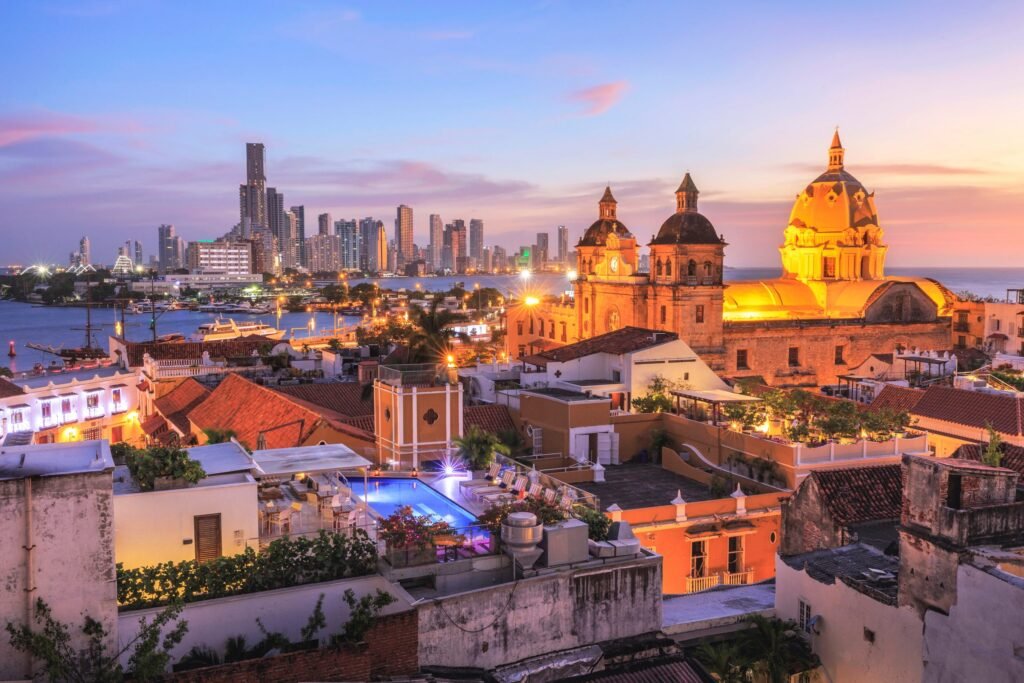
Cartagena’s prime coastal location on Colombia’s northern Caribbean coast makes it highly accessible for both international and domestic travelers.
The city is served by Rafael Núñez International Airport, situated in the Crespo neighborhood just a few minutes from the historic center. This airport handles direct flights from major North American hubs like Miami, New York, and Houston, as well as connections from Central and South American cities. Frequent domestic flights link Cartagena to Bogotá, Medellín, Cali, and other Colombian destinations, making air travel the fastest and most convenient way to reach the city.
Cartagena’s position on the Caribbean also makes it one of South America’s busiest cruise ports, with ships docking near the historic center, allowing visitors immediate access to the walled city, museums, and nearby attractions.
Overland travel is possible via highways connecting Cartagena to other northern Colombian cities such as Barranquilla and Santa Marta, though road trips can be time-consuming due to terrain and traffic.
Once in the city, transportation options include taxis, ride-hailing apps, private drivers, and guided services arranged through concierge or travel planners, making it easy to navigate Cartagena’s historic districts and coastal areas efficiently.
Need help planning your route? Check out Traveling from Bogota to Cartagena: What You Need to Know for practical details on flights, buses, and driving.
FAQs About where is cartagena located exactly – Colombia and the Caribbean
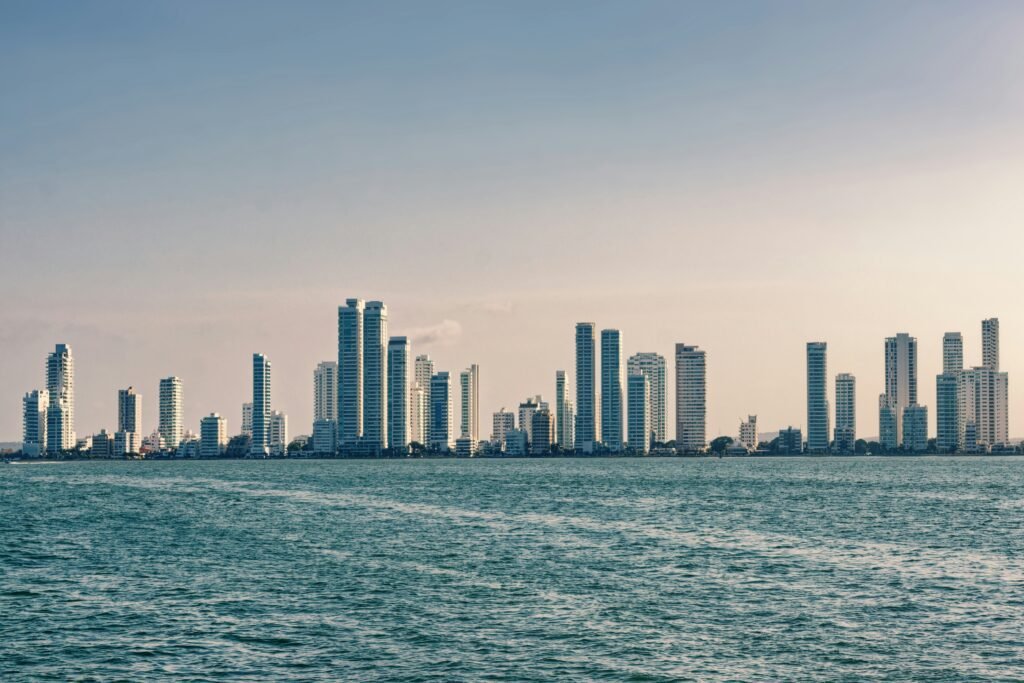
Where is Cartagena located in Colombia?
Cartagena is a coastal city in northern Colombia, in the Bolívar Department, along the Caribbean Sea. It sits on a peninsula surrounded by bays, peninsulas, and islands, making it both a historic port and a major tourist destination.
What are the main neighborhoods in Cartagena?
The city blends historic and modern areas. Centro Histórico and San Diego preserve colonial streets and fortifications. Getsemaní is a lively cultural district, while Bocagrande offers beachfront resorts and high-rises. Crespo hosts Rafael Núñez International Airport, and Zona Norte continues to expand along less-developed coastlines. You can read more about the city’s neighborhood and culture in the Walled City & Getsemaní guide.
What islands are near Cartagena?
Cartagena is surrounded by several islands. Tierra Bomba and Barú are close to the city, while the Rosario Islands and San Bernardo Archipelago are slightly further out. These islands feature coral reefs, white-sand beaches, and clear turquoise waters, making them popular for boat trips. Read more or book a private water experience through the boat rental services highlighted in our Boat Rental in Cartagena blog.
Why is Cartagena’s coastal geography important?
Its natural bays, peninsulas, and islands provide a safe harbor for ships, shaping the city’s role as a major maritime hub for trade, tourism, and cultural exchange. The coastline also influences urban planning, with neighborhoods spreading along the shore while preserving historic areas.
How does Cartagena’s geography affect its climate and lifestyle?
Being at sea level along the Caribbean, Cartagena has a tropical climate with warm temperatures and sea breezes year-round. This coastal setting influences local culture, cuisine, music, and recreational activities like boating, beach visits, and island excursions.
How is Cartagena connected to the Caribbean region?
Cartagena is a key continental Caribbean city, linking Colombia to Panama, Venezuela, and Caribbean islands. Its strategic location historically made it a hub for maritime trade between Europe, South America, and the Caribbean, which continues to shape its economy and culture today.
How can visitors explore Cartagena’s geography?
Visitors can walk through the historic walled city, take boat trips to nearby islands, or explore modern neighborhoods like Bocagrande. The city’s layout allows tourists to combine cultural, historical, and coastal experiences in one trip, showcasing both urban life and Caribbean natural beauty.
Why Cartagena’s Location Makes It a Top Destinations
Cartagena’s prime location on Colombia’s northern Caribbean coast shapes its tropical climate, vibrant culture, and historical significance as a major port. Understanding its position within the Caribbean and the Bolívar Department helps travelers appreciate how geography influences its lifestyle, economy, and tourism.
Whether exploring historic streets, relaxing on beaches, visiting islands, or staying at a private villa in its colonial neighborhood, Cartagena’s coastal setting ensures an unforgettable experience that combines culture, adventure, and Caribbean charm.
Now that you have a clear idea of where Cartagena is located, be sure to check out the best areas to stay in Cartagena de Indias to make the most of your trip.