

Colombian cuisine is a flavorful journey through the country’s diverse regions, from the highlands of the Andes to the tropical Caribbean coast. Each area boasts its own specialties, ingredients, and cooking traditions, making every meal a unique experience.
In this Colombian food guide, you’ll explore top 10 must-try dishes, including hearty classics like bandeja paisa, comforting soups like ajiaco, and popular street foods such as arepas and empanadas. You will also learn about traditional desserts, beverages, and the cultural significance behind each dish. Whether you’re planning a culinary trip to Colombia or simply curious about its gastronomy, this guide offers a comprehensive taste of the country’s rich and vibrant food culture.
Our team of planners are well-versed in Colombian cuisine and can give you the best custom advice depending on your individual preference. Contact us today for more information.
What Colombian dishes should you try first?
1. Arepas
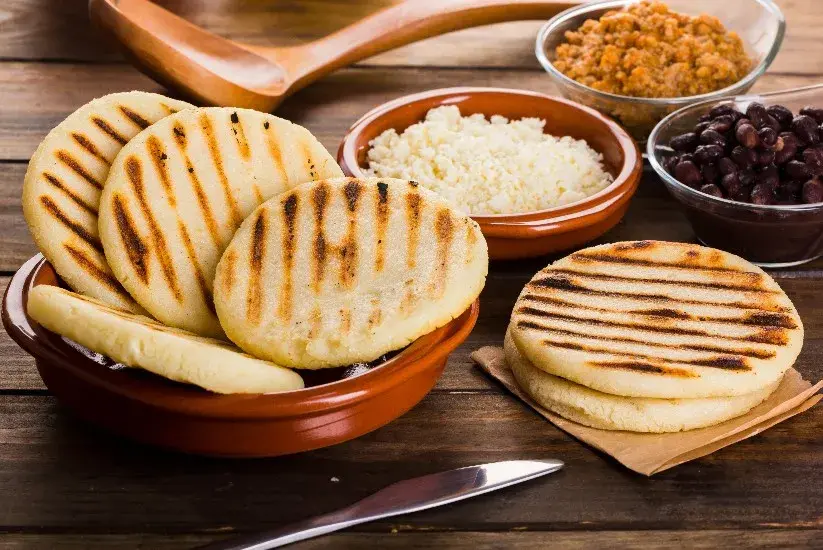
No Colombian food guide is complete without arepas. These round corn cakes are a daily staple across the country and one of the first foods visitors often encounter. Made primarily from ground maize, arepas date back to pre-Columbian Indigenous civilizations, long before Spanish colonization.
What makes arepas special is their regional variety. In Antioquia, arepas are typically thin, plain, and served with butter or cheese. In Bogotá and the central highlands, you’ll find arepas con queso, either filled or topped with melted cheese. Along the Caribbean coast, arepa de huevo is deep-fried and stuffed with egg, sometimes with meat. Arepa de choclo, made from sweet fresh corn, is popular nationwide for its soft texture and mild sweetness.
Arepas can be grilled, fried, or baked and eaten at any time of day. They make a perfect breakfast with eggs, a midday snack, or a hearty dinner when filled with pork, chicken, meat, or vegetables. Their simplicity, versatility, and rich regional variations make arepas one of the best Colombian dishes to try first.
Where to try it: Street stalls and local bakeries nationwide.
Plan your first Colombian food adventure with us and let us handle the logistics so you can focus on tasting authentic arepas across the country!
2. Bandeja Paisa
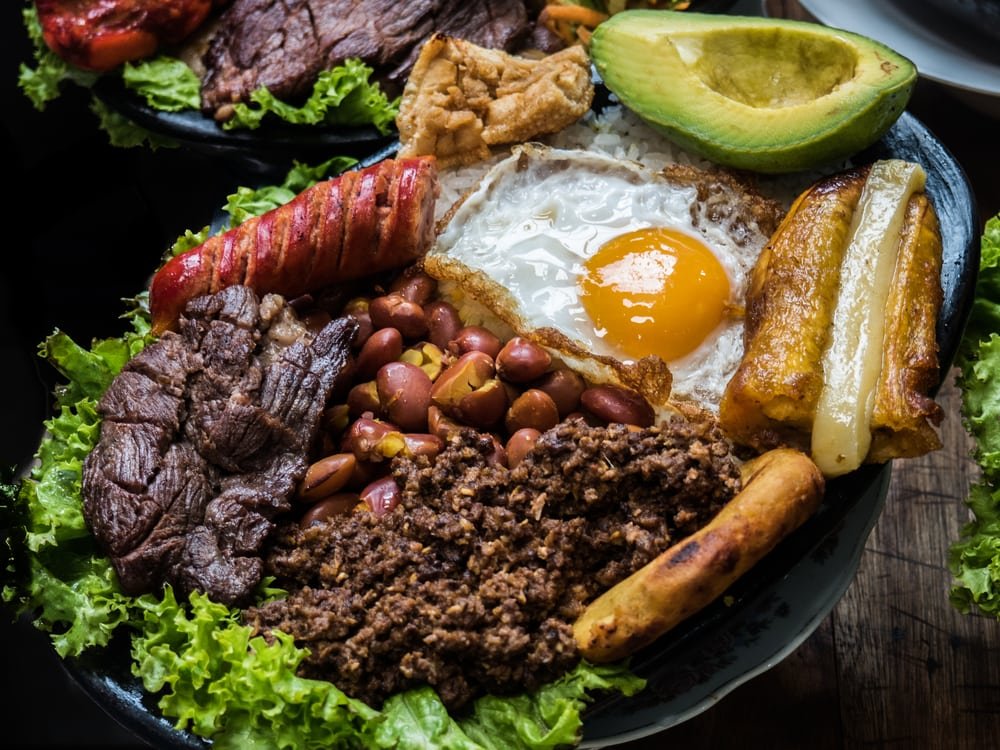
Bandeja paisa is Colombia’s most famous platter and a symbol of the Antioquia region’s agricultural abundance. Originally a hearty meal for field workers designed to fuel farmers through long days in the fields, it is traditionally eaten at lunch rather than breakfast in modern times, making it a substantial midday feast. It has become one of the most recommended Colombian dishes for visitors.
A traditional bandeja paisa includes white rice, red beans cooked with pork, ground or grilled beef, chorizo, crispy chicharrón (pork belly), a fried egg, sweet plantain, avocado, and a small arepa. Each component plays a role as rich, salty, savory, and slightly sweet flavors come together in a balanced yet indulgent dish.
Today, bandeja paisa’s abundance makes it ideal for those who want to try multiple Colombian flavors in one meal. The combination of meats, beans, and carbs makes it hearty and filling enough to fuel a long day in the mountains.
Where to try it: Medellín and Antioquia-region restaurants.
Experience bandeja paisa in its birthplace with Two Travel, let us handle your Colombian food tour plans so you can savor every bite!
3. Ajiaco
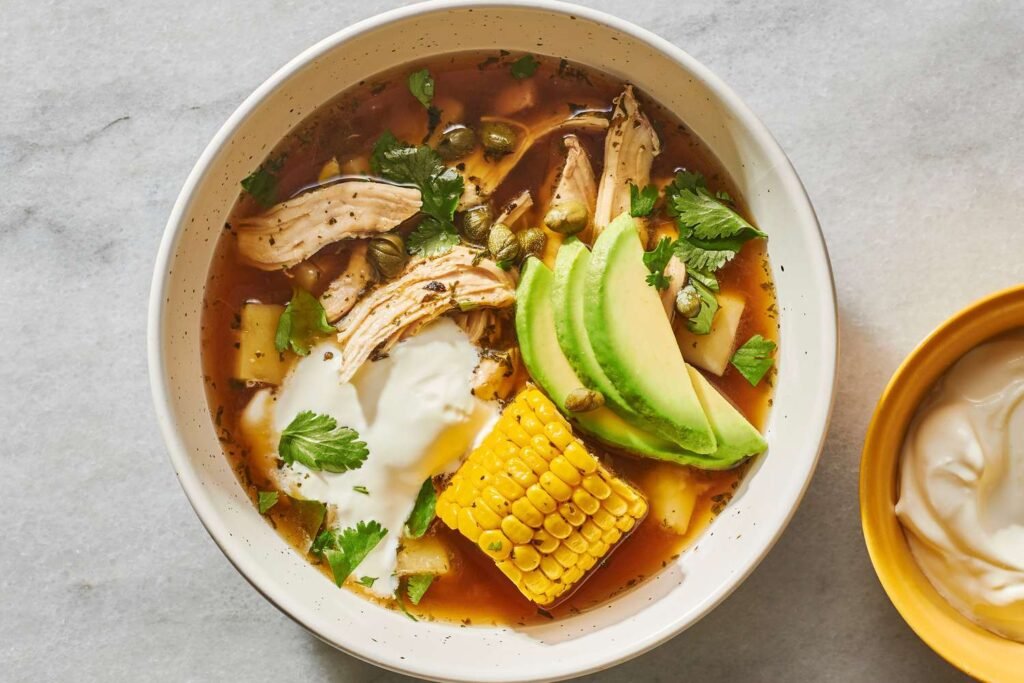
Ajiaco is Bogotá’s signature dish and a regional specialty of the Andean highlands, rather than a national dish. It is one of Colombia’s most beloved traditional foods, deeply tied to the capital’s cool climate and local culinary traditions.
This creamy chicken and potato soup is made with three native potato varieties (criolla, pastusa, and sabanera), simmered with corn on the cob, shredded chicken, and guascas, a local herb with an earthy, slightly peppery flavor. The potatoes naturally thicken the broth, creating a creamy consistency without dairy.
Ajiaco is traditionally served with sides of rice, avocado, capers, and cream, allowing diners to customize each bite. Warm, comforting, and deeply satisfying, it’s one of the best Colombian dishes to try when visiting Bogotá and the surrounding Andean region.
Where to try it: Traditional restaurants in Bogotá.
Discover Bogotá’s ajiaco with us let us plan your trip so you can enjoy this iconic soup firsthand!
4. Sancocho
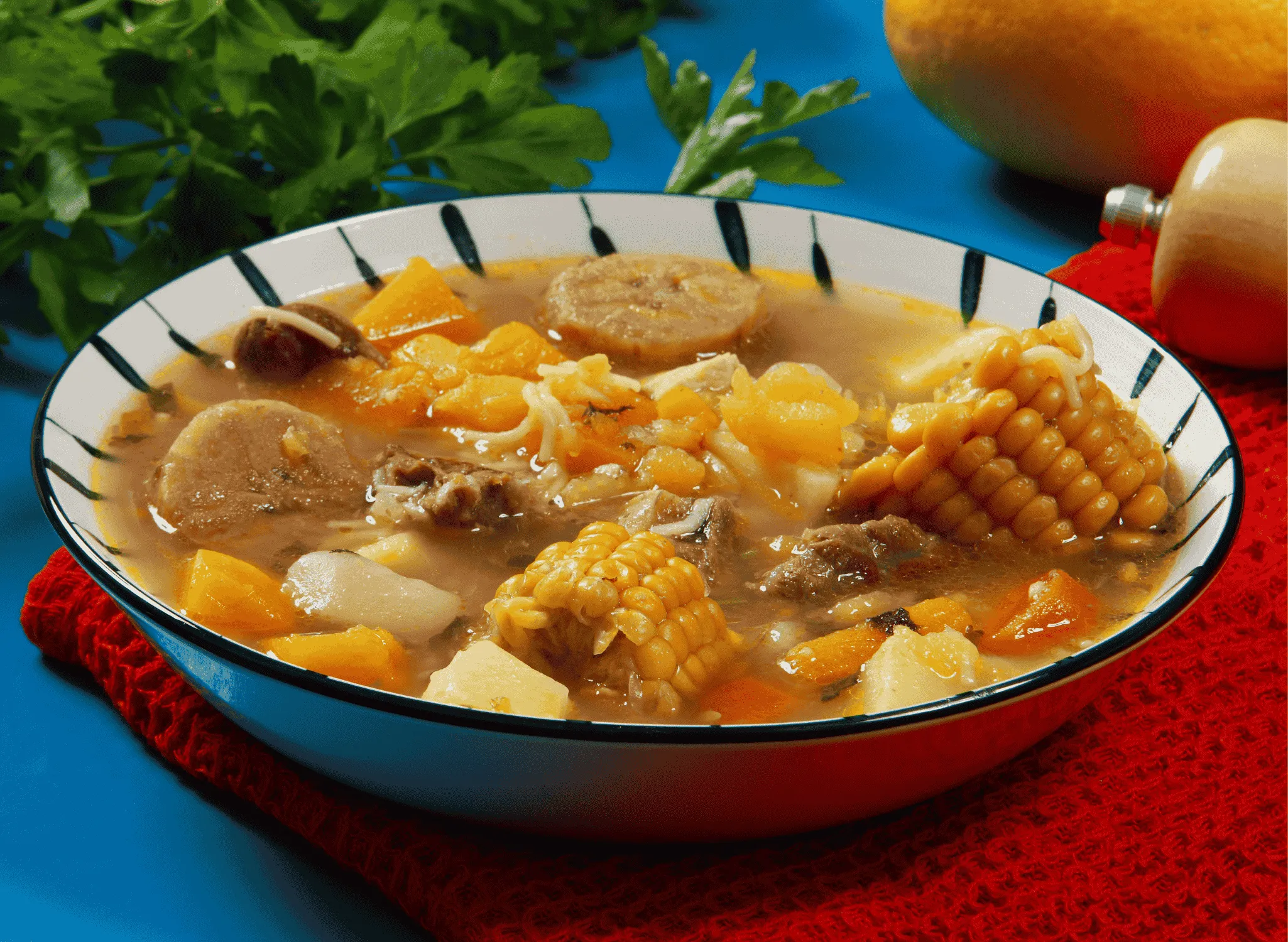
Sancocho is a classic Colombian stew deeply associated with family gatherings, weekends, and celebrations. Found throughout the country, its ingredients vary by region, but it always features a rich, flavorful broth, root vegetables, and protein.
Common versions use chicken, beef, pork, or fish, combined with cassava (yuca), plantains, potatoes, and corn. Regional variations highlight local produce: coastal sancocho often includes fresh fish or seafood, while inland versions are heartier and meat-based. Each version reflects the local ingredients and culinary traditions of its region.
Sancocho is more than just a meal, it’s a social experience. Often cooked outdoors in large pots, it’s shared among friends and family, reinforcing community bonds. Its comforting flavors and cultural significance make it a must-try dish for anyone exploring Colombian cuisine.
Where to try it: Family-run restaurants nationwide; coastal towns for fresh fish sancocho.
Not sure how and where to taste traditional Colombian sancocho? Contact us and let’s build together a Colombian food itinerary that fits your budget and requirements!
5. Lechona
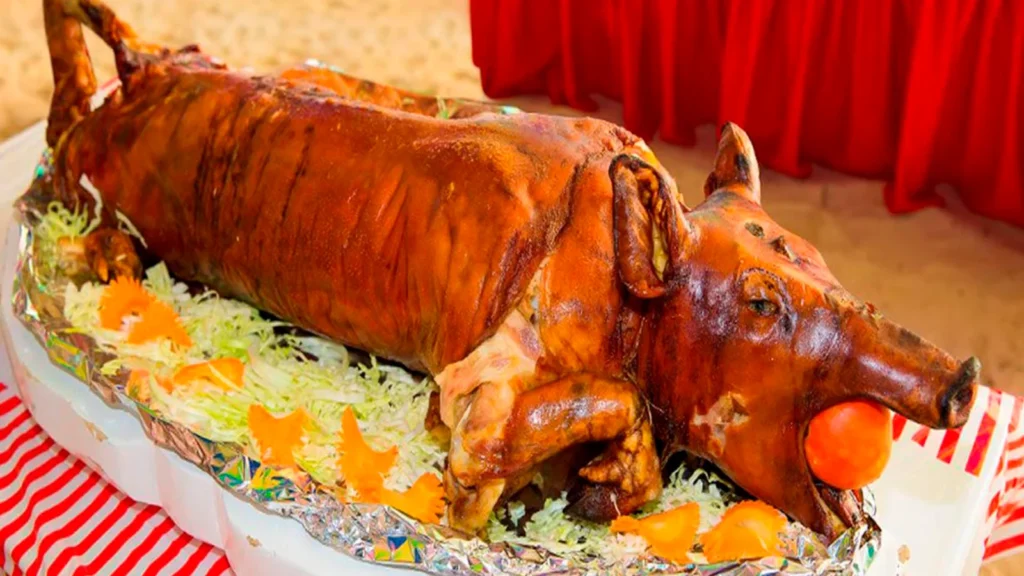
Lechona is a celebratory dish originating from the Tolima region. It consists of a whole pig stuffed with seasoned rice, peas, onions, herbs, and chunks of pork meat, then slow-roasted for hours until the skin becomes crispy and golden.
The filling absorbs the pork’s juices and spices, typically garlic, cumin, and herbs, resulting in a deeply flavorful dish. Lechona is traditionally served with arepas and is most commonly eaten at weddings, festivals, and holidays. While some commercialized versions exist, the most authentic experiences are found at local festivals or family gatherings, where preparation is a communal and celebratory effort.
Because of its labor-intensive preparation, lechona reinforces its role as a dish meant for sharing and celebration, embodying both flavor and tradition.
Where to try it: Tolima, Huila, and specialty lechona eateries.
Excited to taste authentic lechona but unsure where to begin? Let our travel and tour experts handle everything for you!
6. Tamales Tolimenses
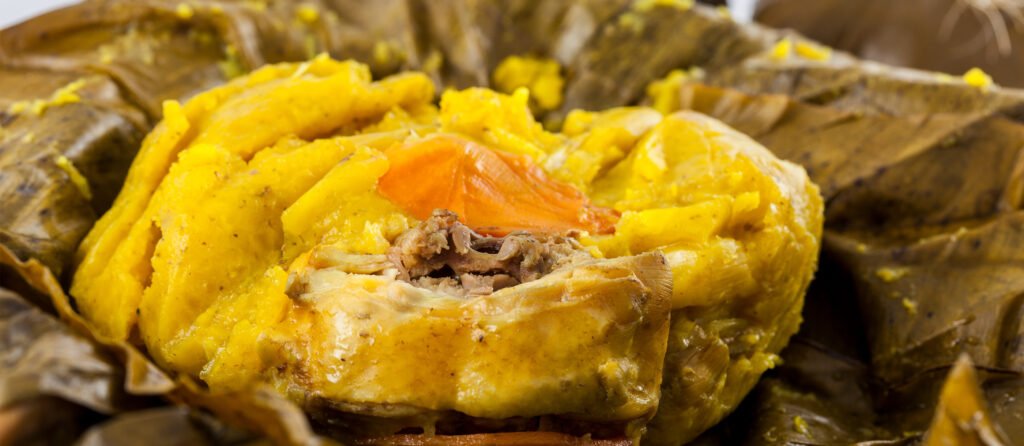
Tamales are a beloved traditional food across Colombia, with the tamal tolimense being one of the most iconic versions. Made from corn dough filled with chicken, pork, rice, carrots, peas, and spices, the mixture is wrapped in banana leaves.
The banana leaves impart a smoky, earthy aroma while keeping the tamales moist as they steam for several hours. Tamales are commonly eaten for breakfast, especially on weekends, and are traditionally paired with hot chocolate or coffee. While some commercialized versions exist, the most authentic tamales are found at family gatherings, local markets, or during festivals, where preparation is a communal tradition reflecting Indigenous cooking techniques that predate colonial times.
Though especially popular during Christmas, tamales are enjoyed year-round and offer a delicious insight into Colombia’s culinary heritage.
Where to try it: Tolima region and traditional breakfast spots, especially at local markets and festivals.
Eager to taste authentic tamales yourself? Contact us now and kickstart Colombia’s best breakfast with the help of our expert!
7. Fritanga
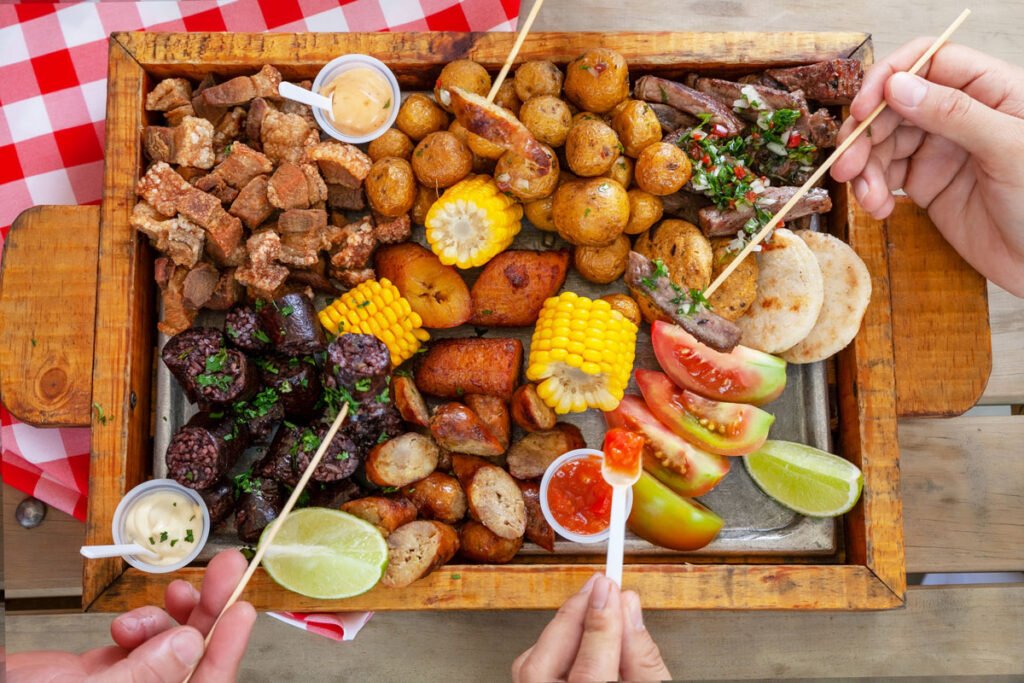
Fritanga is a meat lover’s feast and a popular shared dish in central Colombia. It features a generous assortment of grilled or fried meats, including chorizo, morcilla (blood sausage), pork ribs, chicken, and sometimes beef cuts.
Typically served with potatoes, arepas, and plantains, fritanga is an informal, flavorful dish meant to be eaten communally. It’s often enjoyed at roadside restaurants, countryside gatherings, or local food markets, providing travelers with a truly authentic Colombian experience. The communal nature of fritanga reflects the country’s social dining traditions, where meals are as much about sharing and conversation as they are about flavor.
Where to try it: Roadside restaurants around Bogotá, Boyacá, and Cundinamarca.
Dive into Colombia’s fritanga scene with Two Travel. We know all the best local eateries!
8. Cazuela de Mariscos
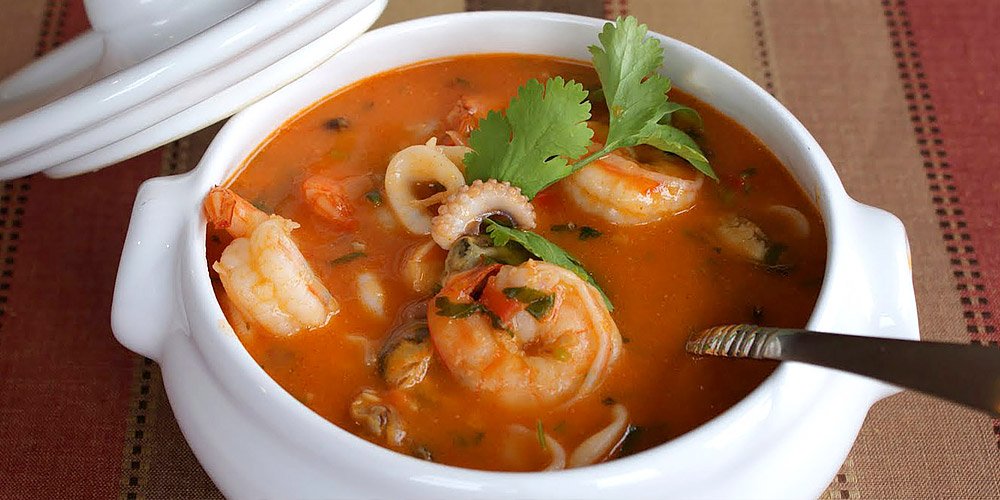
Along Colombia’s Caribbean coast, cazuela de mariscos highlights the region’s seafood abundance, coastal identity, and Afro-Caribbean influences in Colombian cuisine. This rich, creamy stew combines shrimp, clams, squid, fish, and sometimes lobster, all simmered in coconut milk, cream, and vegetables to create a luxurious, flavorful dish.
Traditionally served hot in clay bowls, cazuela de mariscos is often accompanied by coconut rice and patacones, enhancing the coastal flavors. It is a staple at seaside restaurants and local gatherings, reflecting the culinary heritage of Colombia’s Caribbean communities. For the most authentic experience, try it in family-run eateries or at festivals celebrating regional seafood.
Where to try it: Cartagena, Santa Marta, and other towns along Colombia’s Caribbean coast.
Want to go to Colombia and have unforgettable cazuela de mariscos and authentic seafood experiences? Find out what our Concierge service can do for you!
9. Empanadas
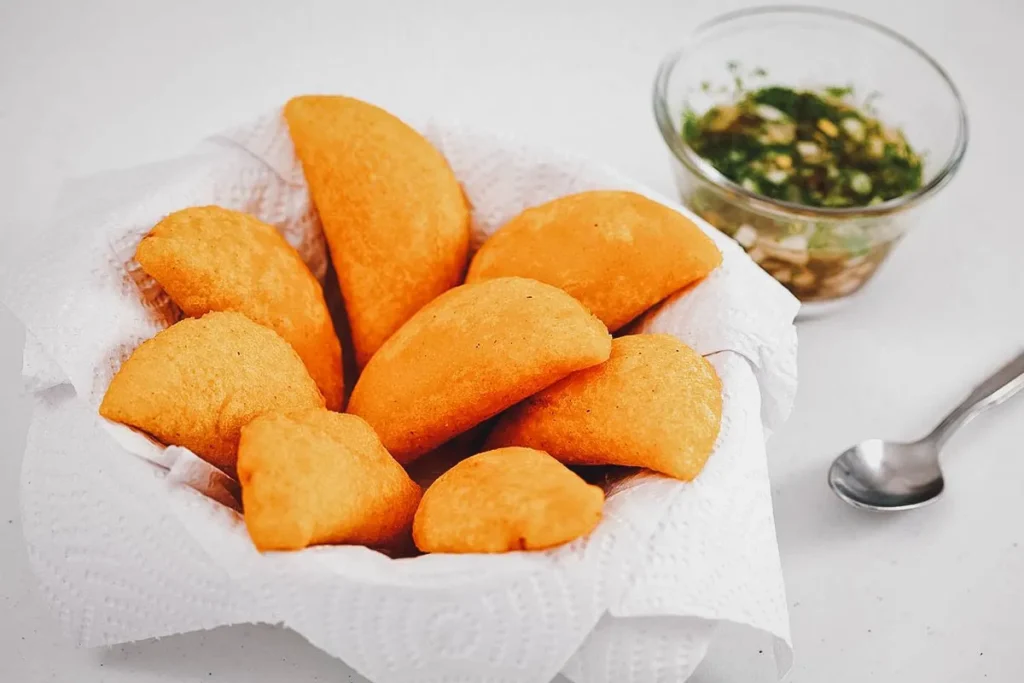
Colombian empanadas are crispy, deep-fried snacks made from corn dough rather than wheat. They are typically filled with seasoned meat, potatoes, or a combination of both, making them a staple of street food throughout the country.
Each region has its own unique seasoning style, but Bogotá is especially known for its flavorful empanadas, often served with ají, a tangy chili sauce that lets diners adjust the heat to their preference. Their golden, crunchy exterior gives way to savory, well-seasoned fillings, making empanadas one of the most delicious and convenient Colombian foods for both locals and first-time visitors. Affordable, versatile, and widely available, empanadas are a quintessential snack that perfectly showcases Colombia’s vibrant street food culture.
Where to try it: Street food stalls nationwide, especially in Bogotá.
Taste Colombia’s iconic empanadas with us, we’ll take you to the best street food spots!
10. Patacones
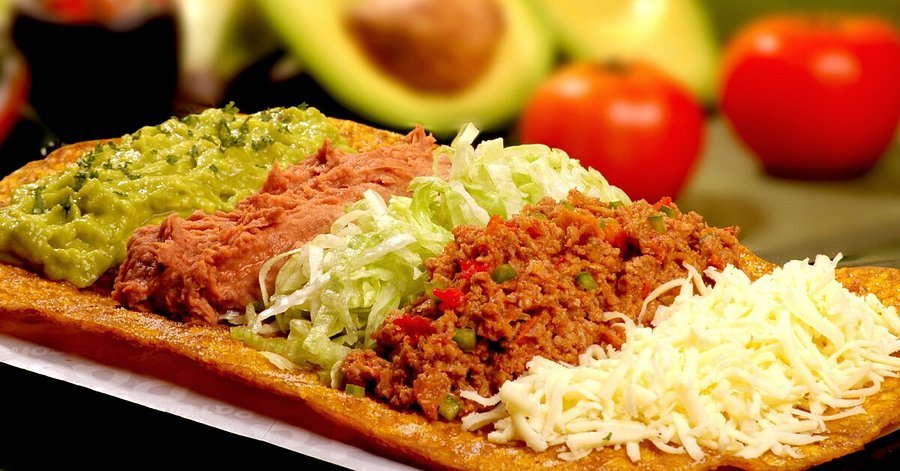
Patacones are twice-fried green plantain slices that are crispy on the outside and soft on the inside. Widely enjoyed throughout Colombia, especially along the Caribbean coast, they can be served as snacks, side dishes, or bases for a variety of toppings.
Often paired with meats, seafood, or flavorful sauces, patacones showcase the versatility and importance of plantains in Colombian cuisine. Simple yet satisfying, they exemplify how everyday ingredients can become iconic dishes that are both delicious and culturally significant. Patacones are perfect for sharing or enjoying as part of a larger meal, offering a true taste of coastal Colombian flavors.
Where to try it: Restaurants and eateries along the Caribbean coast.
Enjoy Colombia’s crispy patacones with Two Travel, let us plan your culinary journey to the coast!
Colombian Foods FAQs
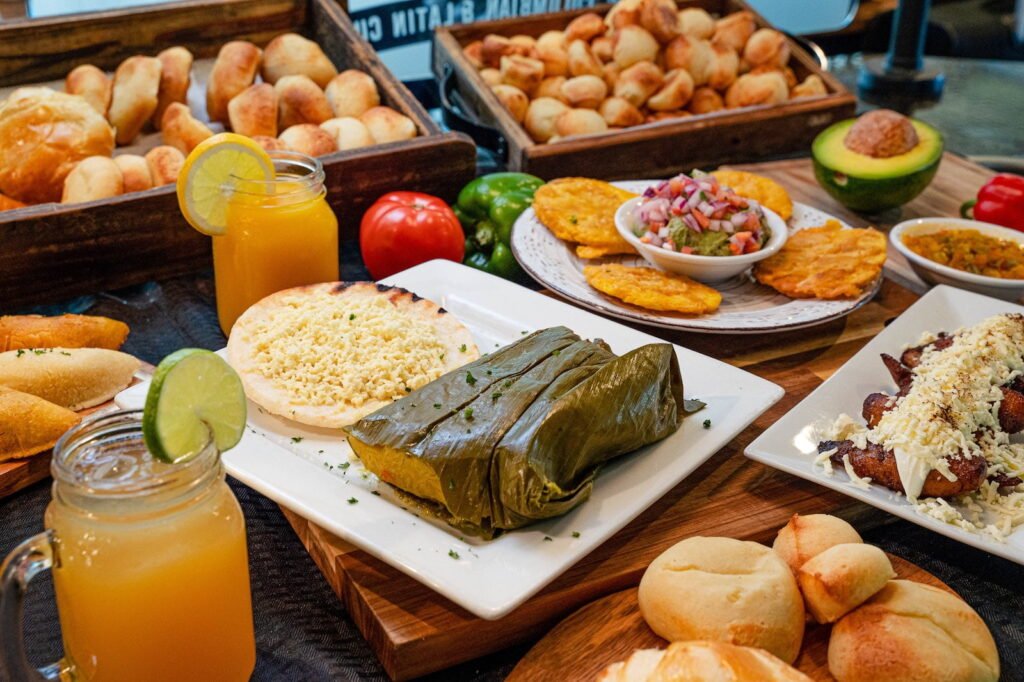
Is Colombian food spicy?
Colombian food is generally mild compared to cuisines from Mexico, Peru, or Asia. It is flavorful, approachable, and suitable even for those sensitive to spice. Traditional dishes in Colombia focus on fresh, high-quality ingredients, balanced flavors, and slow-cooked methods rather than heat. However, spice is often available on the side in the form of ají, a chili-based sauce made with peppers, onions, cilantro, and lime.
Diners can adjust the heat according to their taste. Regional differences in Colombia also influence spiciness: coastal and Caribbean areas tend to use bolder seasonings, while Andean dishes are usually milder and comforting.
What are the best cities in Colombia to experience local food?
Each region in Colombia has a distinct culinary identity. Bogotá, the highland capital, is ideal for traditional dishes like ajiaco, tamales, and changua, with upscale dining in Zona G. Medellín, the City of Eternal Spring, offers bandeja paisa, buñuelos, and chorizo.
Cartagena showcases coastal specialties such as ceviche, cazuela de mariscos, and Arepa de Huevo. Cali is known for sancocho de gallina, tamales Vallunos, and sweet treats like Cholado. Barranquilla delivers northern flavors with arroz de lisa, bollo de yuca, and enyucado, especially lively during Carnival.
How is the Colombian Street Food Culture?
Colombian street food is vibrant, accessible, and diverse. Popular options include:
- Arepa de Huevo: Deep-fried arepas filled with egg, common on the Caribbean coast.
- Chorizo and Chunchullo: Grilled sausages and intestines sold at night markets.
- Salchipapas: Sliced sausage and fries topped with sauces.
- Obleas: Thin wafers with arequipe, jam, or cheese.
To enjoy street food safely, choose busy vendors, check hygiene, drink bottled water, and inquire about ingredients.
What are the most famous Colombian desserts?
Must-try Colombian desserts include Tres Leches Cake, Postre de Natas, Milhojas, Cholado, and Brevas con Arequipe. These desserts reflect local ingredients, seasonal fruits, and traditional preparation methods.
What beverages are essential to Colombian cuisine?
Key drinks and beverages to try in Colombia include Colombian coffee, aguardiente (anise-flavored liquor), aguapanela (sugarcane drink), and fresh fruit juices like lulo, guanábana, and maracuyá. Coastal regions often mix coconut milk for tropical flavors.
Now that you know what to expect during your Colombian food tour, let’s create a personalized itinerary to make your Colombian culinary experience truly unforgettable!
Colombian Food: More Than a Meal, a Journey Through Culture
Colombian food tells the story of its regions, people, and traditions through bold flavors and comforting classics. From hearty traditional dishes to lively street food, every bite offers a deeper connection to the country’s culture. Whether you’re exploring local markets or sitting down for a regional specialty, Colombia rewards curious appetites.
Pack your appetite now and explore Colombia’s diverse food scene. And if you’d like to experience it firsthand, get in touch with us to start planning a memorable gastronomy tour through Colombia.




 English
  Spanish