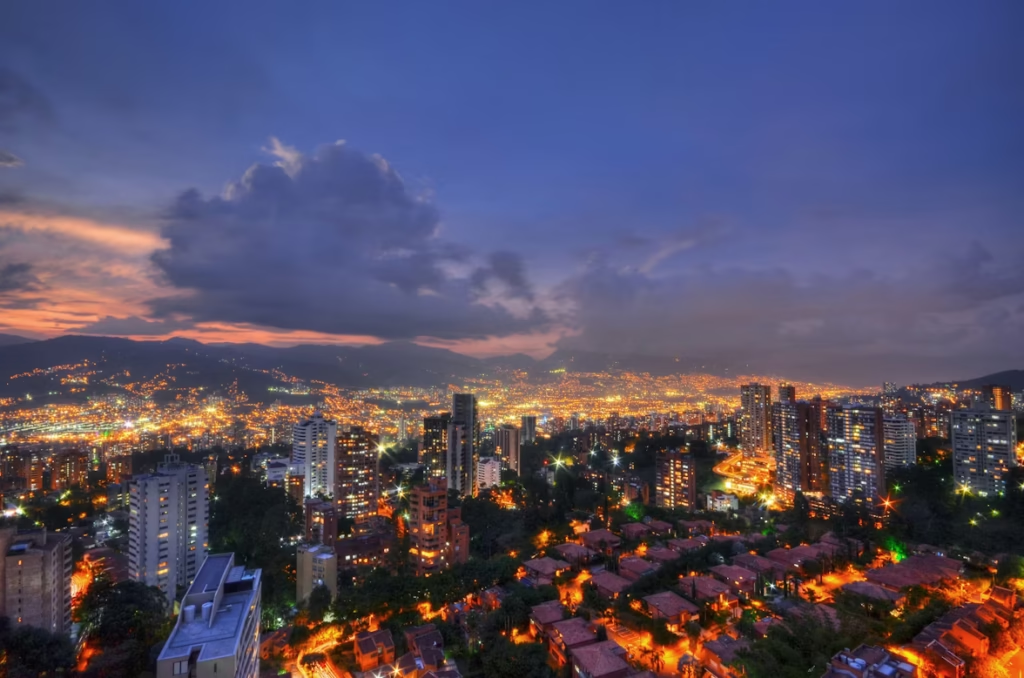
Medellín wasn’t supposed to be a travel destination. And yet, here we are – with backpackers, digital nomads, foodies, and culture-seekers all landing at José María Córdova Airport and wondering why they didn’t come sooner. Nestled in a lush Andean valley with weather so consistently perfect the locals call it the City of Eternal Spring, Medellín has quietly become one of Latin America’s most exciting cities to explore. The kind of place where you ride a cable car over rooftops to reach a street art mural, eat a three-course lunch for five dollars, then end up dancing salsa until 3am with people you just met. This 2026 Medellin travel guide has everything you need – the best neighborhoods, where to eat, how to get around, and how to do it all without looking like a tourist who just discovered Google Maps.
Colombia is calling. Medellín is your answer.
Why Medellín should be on your 2026 travel list
So what makes 2026 a particularly good time to visit? The city has hit a sweet spot. The tourism infrastructure is fully mature – great hotels, reliable transport, a thriving food scene – but it hasn’t tipped into the kind of over-tourism that has hollowed out cities like Lisbon or Bangkok. El Poblado still has quiet cobblestone streets on a Tuesday morning. Laureles still feels like a real neighborhood where real people live. And the energy is genuinely infectious: Medellín has a civic pride that you can feel the moment you step outside. Locals will recommend their favorite buñuelo spot (buñuelo = a sweet and cheesy fried Colombian pastry, IYKYK) with the same enthusiasm a Parisian recommends their bistro.
Colombia is still meaningfully more affordable than most Western travel destinations – eating, getting around, and going out costs a fraction of what you’d spend in Europe or Southeast Asia’s tourist hotspots. Add a growing calendar of festivals, a food scene that has gone from underrated to internationally recognized, and a climate that never asks you to pack a coat, and the question stops being why Medellín and starts being why not sooner.
Planning your trip: essential logistics
Before you start dreaming about cable cars and coffee, a few practical things worth knowing. Getting to Medellín means flying into José María Córdova International Airport, about 45 minutes outside the city. You can grab the official airport bus, which drops you off in the San Diego neighborhood / Industriales Metro Station, for $20,000 COP (around $5 USD). From here, you can Uber to wherever youre staying in a flash. Or, if you want to get an Uber straight from the airport, it will set you back $110,000 to $140,000 COP ($30 -$40 USD), depending on where in the city you’re staying.
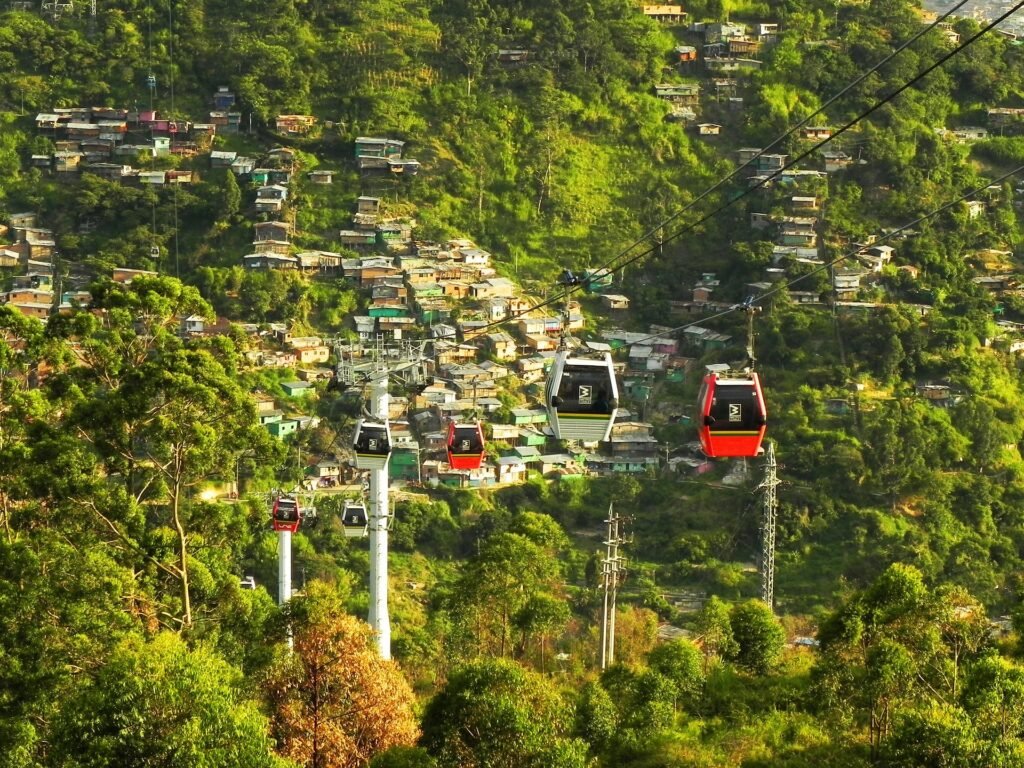
Once you’re in, getting around is half the fun. Medellín’s Metro is clean, punctual, and connects to a network of cable cars (Metrocables) that double as some of the best free (OK, we exaggerate, the Metro actually costs $1 USD) views in any city on earth. For everything else, Uber, InDriver, or Didi (the last two may only be available if your app store is located in Colombia) work well and are all widely used despite existing in a legal grey area – just sit in the front seat and act natural. We recommend using these apps over catching yellow cabs in the street. Visas are a non-issue for most Western passport holders, who get 90 days on arrival, no paperwork required.
Want to leave the planning to us?

Where to stay in Medellin
Medellín is a city of distinct barrios, each with its own personality, and choosing the right base makes a real difference to your experience. El Poblado is where most luxury travelers land, and for good reason – it’s polished, walkable, and packed with high-end restaurants, rooftop bars, and boutique hotels. The leafy streets around Provenza and Manila are particularly good: think al fresco brunches, specialty coffee shops, and the kind of atmosphere that makes it easy to lose an afternoon.
If you want something with a little more local texture and slightly less touristy, Laureles is the move – a residential neighborhood full of tree-lined streets, neighborhood restaurants, and a genuinely Colombian energy that El Poblado can sometimes lack on a busy weekend.
For something quieter still, Envigado – technically its own municipality but seamlessly connected to the city – is where a lot of long-term expats and discerning visitors end up, with excellent dining, a relaxed pace, and plenty of nature nearby.
El Centro is worth a daytime visit for the culture and architecture – the Botero sculptures, the Palacio de la Cultura, the sheer buzz of it – but it’s not where you want to be staying. For luxury travelers, El Poblado is your home base. The rest of the city is yours to explore from there.
Your dream villa in Medellin is waiting for you

Top things to do and see in Medellin
Medellín rewards the curious. The obvious starting point is Comuna 13 – once one of the city’s most troubled neighborhoods, now a open-air gallery of jaw-dropping street art, outdoor escalators built into the hillside, and a community energy that is genuinely moving. Go with a local guide, tip generously, and definitely try the michelada de maracumango – beer with a lemon salt rim served over freshly cut passion fruit and mango. Ask your guide about local parties as famous DJs have been known to do clandestine sundowner sets in this area.
From there, take the Metrocable up to Parque Arví – a vast nature reserve sitting above the city where you can hike, eat fresh fruit from market stalls, and look back down at the sprawl of Medellín below and feel like you’ve earned something. Back in the city, Plaza Botero is a must – 23 oversized bronze sculptures by Fernando Botero sitting in a public square, completely free, completely spectacular. The Museum of Antioquia sits right next to it and is one of the best art museums in Colombia.
For a change of pace, the Botanical Garden is a quiet, beautiful pocket of green in the middle of the city that locals use as a weekend escape and most tourists walk straight past. And then there are the day trips – Guatapé deserves its own paragraph, but in short: a colorful lakeside town and hour and a half from the city with a giant rock with 700 stairs you can climb for a view that will make your phone’s camera feel inadequate. Save a full day for it.
Ready to build your dream trip?
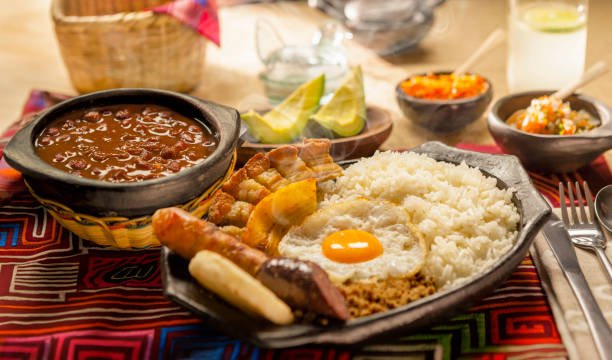
Where to eat and drink in Medellin
Medellín’s food scene has had a quiet glow-up over the last few years and it now punches well above its weight for a city of its size. Start with the basics: a bandeja paisa – the iconic Antioquian platter of beans, rice, chicharrón, chorizo, arepa, and a fried egg – is something you should eat at least once. One of the best in town can be found at Mondongo‘s – a local chain consistently filled with 90% Colombian families.
But don’t stop there. The restaurant scene in El Poblado and Laureles has matured into something genuinely exciting – think creative Colombian tasting menus, Japanese-Colombian fusion that somehow works, and wood-fired everything. Pergamino in El Poblado is the coffee shop everyone recommends and the rare case where the hype is completely justified – the beans are sourced from small Colombian farms and the space is beautiful (our favorite is the Pergamino in San Lucas).
For something more local, head to the Mercado del Río, a food hall with dozens of stalls ranging from fresh ceviche to craft beer, and the kind of buzzy atmosphere that makes it hard to leave. Nightlife-wise, Provenza is the epicenter – lively, accessible, and easy – with some of the most well-known clubs in town concentrated in just a few streets. Imagine singing Bad Bunny’s “Perro Negro” whilst in the Perro Negro club itself! If you want something with more edge and less tourist traffic, the bars around Avenida El Poblado and the mezcal and cocktail spots creeping into Laureles around la 70 have a far more local feel to them.
Feeling hungry? Check out our blog post:
Practical tips & local etiquette
When visiting Medellín, an eSIM is the easiest way to stay connected. Download an eSIM from an app such as Nomad or HolaFly and you can purchase a package for just a few dollars.
Learning some basic Spanish phrases will not only make your trip better, but will also bring you closer to the locals, who are warm, friendly, and have a great sense of humor. Simple greetings like “Hola” (Hello), “Gracias” (Thank you), and “Por favor” (Please) go a long way in showing respect to locals. Most people in Medellín appreciate any effort to communicate in their language, so fire up that DuoLingo, or at least download Google Translate.
Tipping in Medellín is generally appreciated but not obligatory. In restaurants, a 10% tip is standard and sometimes included in the bill. For taxis, rounding up the fare or leaving a small tip is common practice. Your housekeeper (or your concierge) will love you forever if you leave them a tip.
In terms of dress code, Medellín enjoys a mild climate year-round, with the occasional rain shower. Paisas (locals from Medellín) are stylish people and will always be bathed, perfumed, and dressed up to the nines. Fashion and appearences are VERY important to the locals, so don’t show up to a restaurant – or even the mall – looking like a slob.
Colombians are some of the friendliest people you will ever meet. Including our team! Start planning your trip with us today.
Frequently asked questions about visiting Medellín
Is Medellín safe?
Medellín has transformed significantly and is considered safe for tourists, especially in popular neighborhoods like El Poblado, Laureles, and Envigado. Follow local advice to “no dar papaya” (literally: don’t give papaya), which basically means don’t unnecessarily flash around anything you’re not willing to lose. Yes, that means leave the Rolex at home.
What is the best time to visit Medellín?
Medellín, known as the “City of Eternal Spring,” is a paradise year-round. The dry seasons from December to March and July to August are ideal for outdoor activities and festivals. Don’t be surprised if you get a sudden rainfall – it shouldn’t last too long. You are in the middle of a mountain range, after all.
How many days should I spend in Medellín?
A stay of 4 to 5 days allows you to explore the main attractions comfortably, but you’ll find the more you explore, the more you’ll want to stay. As they say, the only danger of coming to Colombia is never wanting to leave!
Medellín: Your next dream destination
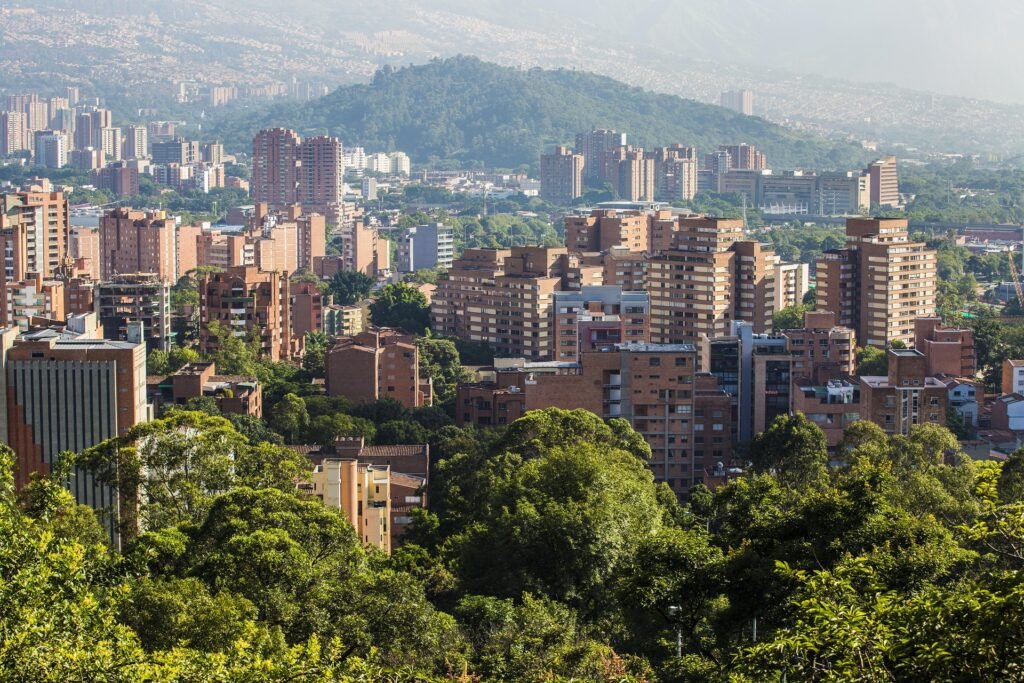
Once you come to Medellín, you’ll see why so many digital nomads, travellers and tourists just can’t get enough of this city. Be it for the stunning panoramic views across the valley, the warm hospitality of its people, or its buzzing nightlife and gastronomic scene, Medellín is truly a city that has it all. This is more than just a Medellin travel guide; it’s an open love letter to a city that we adore, and we know that you will too.