
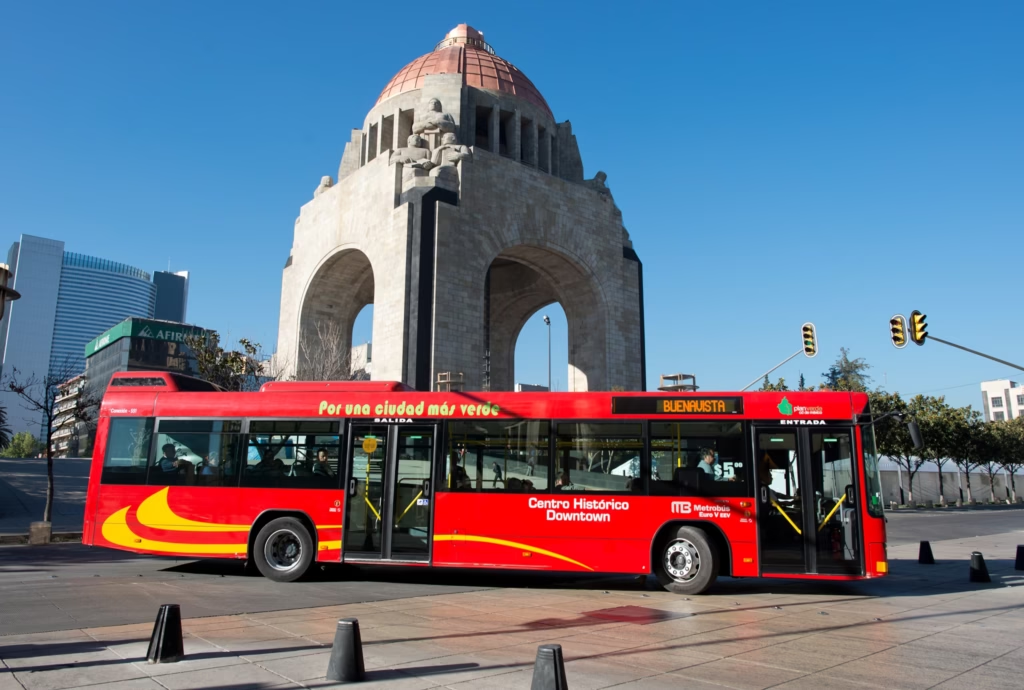
Mexico City is one of the largest and most dynamic cities in the world, home to over twenty million residents across a vast metropolitan area. Its size, energy, and history make it an unforgettable destination, but navigating the city can feel overwhelming for first-time visitors. Traffic is unpredictable, distances can be deceptive, and the public transportation system, while extensive, can be confusing without local knowledge.
To truly enjoy Mexico City without wasting time or energy, visitors need a transportation strategy. The most effective approach combines private transportation with Two Travel for long distances, airport transfers, sightseeing, and evening outings, with complementary use of public transportation, biking, car rentals, or walking for short trips within central neighborhoods. This hybrid strategy ensures safety, efficiency, and comfort while letting visitors immerse themselves in the city at their own pace.
This guide provides a comprehensive overview of Mexico City transportation, practical tips for navigating the city, and insights into how private transport with Two Travel can anchor a stress-free travel experience.
For visitors who want to explore Mexico City efficiently and safely, booking a private ride with Two Travel from the airport or for daily trips ensures a stress-free start to your adventure.
Understanding Transportation in Mexico City
Transportation in Mexico City is built around a layered and dynamic system. Locals often combine multiple transportation modes in a single day. They usually use the metro to bypass traffic, buses to reach specific neighborhoods, and cars or ride-hailing services when convenience is a priority.
For visitors, this same flexibility exists, but without local knowledge, the system can feel overwhelming. To them, the challenge is not the lack of options but knowing when each option is appropriate. The key challenges for visitors include:
- Public transportation is extensive and affordable but can be crowded, physically demanding, and confusing for those unfamiliar with routes, transfers, and peak hours
- Traffic is unpredictable and can significantly lengthen travel times, depending on the time of day, weather, or special events..
- Walking or biking is enjoyable in some neighborhoods but impractical for long distances.
Experienced travelers approach Mexico City transportation strategically, using a mix of options. Many rely on private transportation with Two Travel as the foundation of their travel plan, particularly for airport transfers, sightseeing, evening outings, and group travel. They then supplement with public transportation or walking for short trips in central neighborhoods.
Why Private Transportation with Two Travel is the Smart Choice
Private transportation isn’t just about comfort. It’s about maximizing time, reducing stress, and ensuring safety.
Two Travel provides modern, well-maintained vehicles driven by experienced local drivers who know Mexico City’s traffic patterns, alternative routes, and timing nuances. Whether arriving in the city, navigating peak-hour traffic, or traveling with a group, Two Travel gives visitors peace of mind. The Practical examples of when Two Travel is invaluable include:
- Airport transfers: Avoid the uncertainty of public transportation or ride-hailing services after a long international flight. Two Travel ensures timely pickups and seamless transfers to hotels or city destinations.
- Multi-stop sightseeing days: When visiting distant attractions like Teotihuacán, Xochimilco, or even day trips to Puebla in a single day, Two Travel coordinates routes efficiently to maximize sightseeing time while avoiding traffic delays.
- Late-night returns from nightlife: After an evening enjoying Mexico City’s vibrant nightlife in neighborhoods like Roma, Condesa, or Polanco, having private transportation ensures safe, reliable returns without worrying about language barriers, surge pricing, or navigation.
- Business travel: For meetings, conferences, or dinner reservations, provides punctuality and peace of mind that public transportation or ride-hailing cannot guarantee.
- Family or group travel: Coordinating multiple taxis or public trips with children, elderly travelers, or large groups can be complicated; a single vehicle from Two Travel keeps everyone together safely.
By making Two Travel the foundation of your transportation plan, all other modes of travel, public transport, biking, and walking, become easier, safer, and more enjoyable.
Understanding Public Transportation in Mexico City
Mexico City’s public transportation network is extensive, connecting nearly every part of the metropolitan area. It includes the Metro, Metrobús, buses, light rail, cable cars, bike-sharing programs, and pedestrian-friendly zones. Millions of residents rely on it daily, making it an essential part of city life.
For visitors, public transportation can be a cost-effective and practical solution for short, daytime trips within central neighborhoods. However, it has limitations: crowding during peak hours, complex routes, and challenges for travelers with luggage or families.
When combined strategically with Two Travel, public transportation offers flexibility without sacrificing convenience or safety.
The Metro: Fast but Crowded
The Mexico City Metro is the backbone of the public transportation system, with twelve lines and nearly 200 stations covering most areas. It avoids surface traffic, making it faster than cars during the day in many parts of the city.
Visitors often use the Metro to reach popular areas like the Historic Center, Chapultepec Park, and Coyoacán. Color-coded lines and station symbols make navigation possible even without fluent Spanish. Limitations of the Metro for visitors may include the following:
- Peak hours (morning and evening) bring extreme crowding.
- Transfers can be confusing and stressful.
- Not ideal for travelers with luggage, families, or tight schedules.
- Pickpocketing is more common in crowded cars.
- The experience can be overwhelming for first-time users.
For these reasons, the Metro is best used as a complement to private transport rather than the primary mode of travel.
Buses and Metrobús: Flexible but Less Predictable
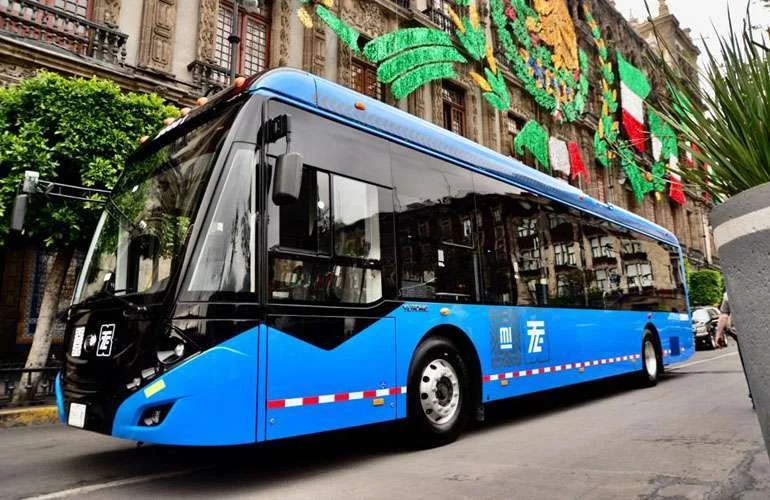
The Metrobús is a bus rapid transit system running on dedicated lanes along major avenues like Paseo de la Reforma and Avenida Insurgentes. It’s convenient for neighborhoods such as Roma, Condesa, Polanco, and parts of the Historic Center. Stations are clearly marked and integrated with the city’s mobility card system.
Traditional buses and minibuses (peseros or colectivos) reach almost every neighborhood and are inexpensive. However, their routes are less clear, stops are informal, and schedules are irregular. These are best used by experienced locals or travelers familiar with the city.
Strategic tip: Use public buses and the Metrobús primarily for short trips in central areas where traffic is lighter, and Two Travel covers longer or time-sensitive journeys.
Biking and Walking: Exploring Neighborhoods Up Close
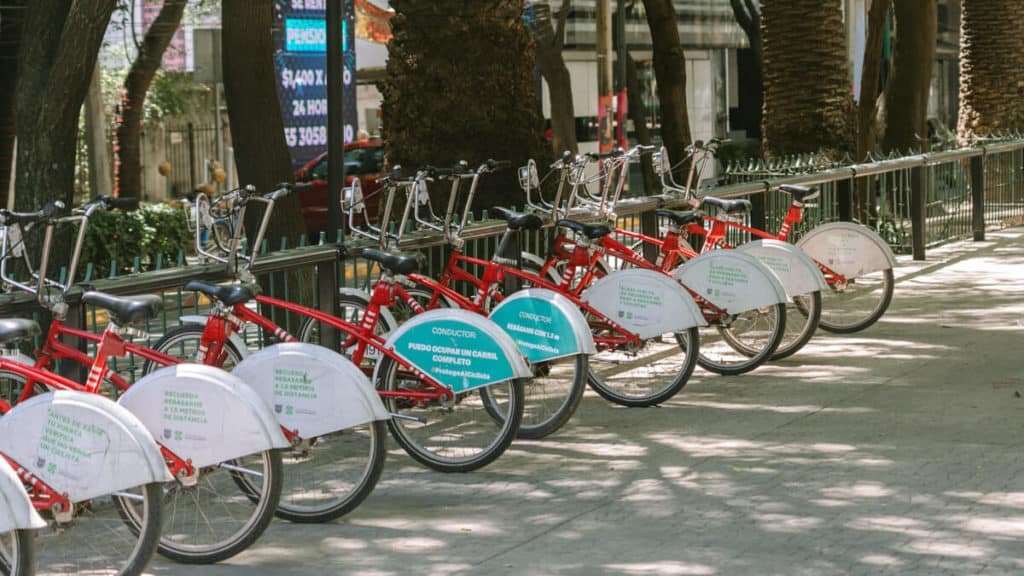
Biking is increasingly popular in Mexico City, particularly in neighborhoods like Roma, Condesa, Polanco, and along Paseo de la Reforma. Programs like Ecobici make it convenient and affordable. Biking is best during daylight hours in low-traffic areas, while road conditions and driving behavior make it less safe in high-traffic zones.
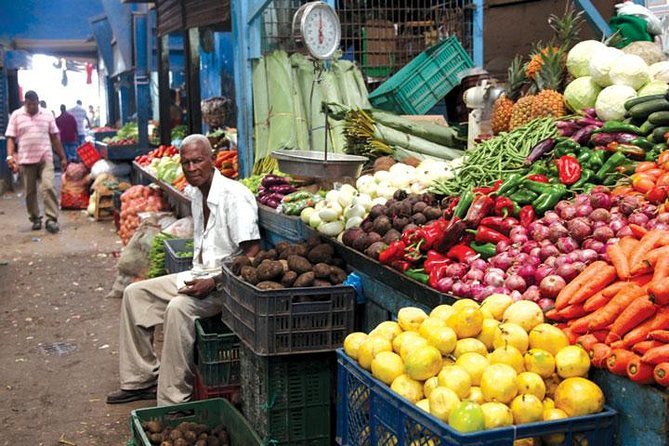
Walking offers an intimate way to explore vibrant districts, historical sites, and local markets. Areas like Centro Histórico, Roma Norte, Condesa, Polanco, and Coyoacán are highly walkable. However, distances between neighborhoods can be long, and nighttime walking in unfamiliar areas is not recommended.
Both biking and walking are ideal complementary activities to private transportation, letting you enjoy the city in detail while relying on Two Travel for longer distances or complex itineraries.
Smaller Transit Options: Tren Ligero and Mexicable
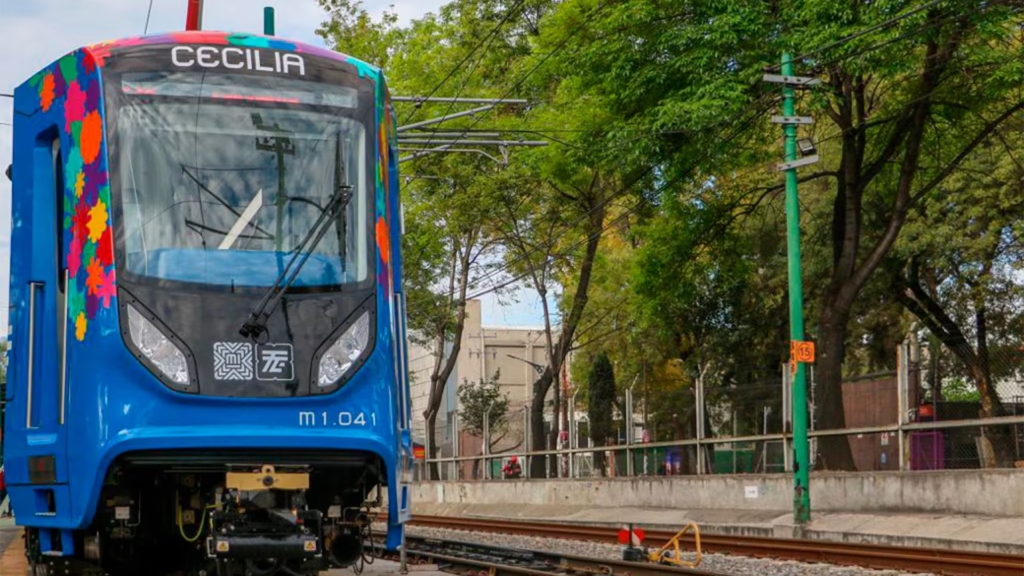
Mexico City also has additional public transit systems:
- Tren Ligero: Connects Tasqueña metro station to Xochimilco in the southern part of the city. Useful mainly for visitors planning to explore the canals.
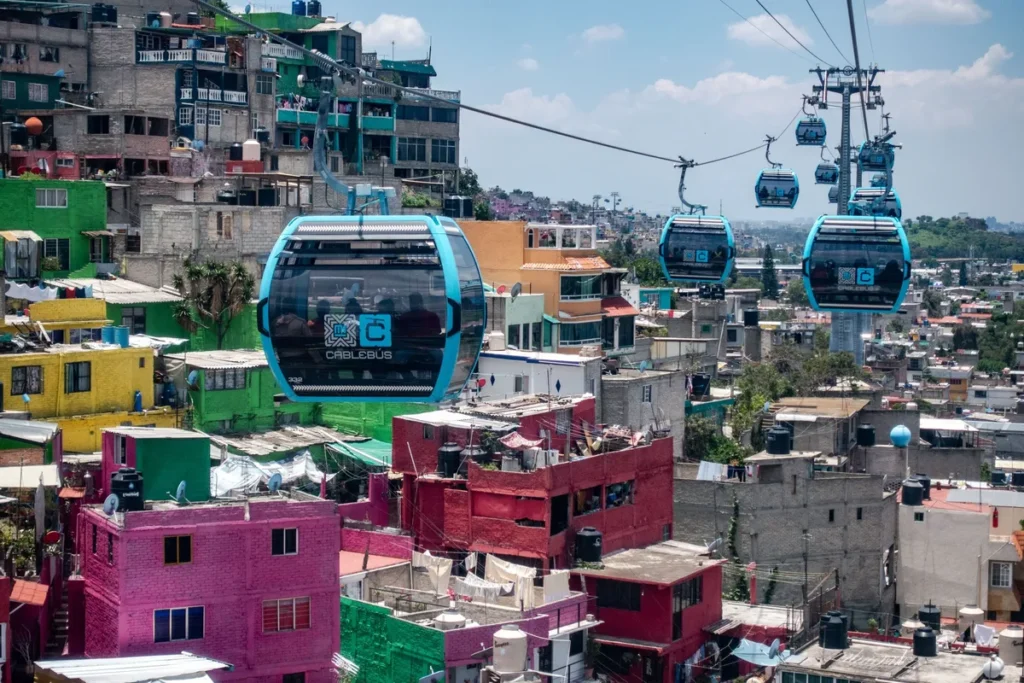
- Mexicable: A cable car system offering scenic hillside views. Primarily used by locals but can provide a unique tourist experience.
While interesting, these systems are generally secondary options and not central to a visitor’s overall transportation plan. Two Travel can integrate trips to these attractions efficiently.
Want to combine a scenic cable car ride or Tren Ligero trip with other attractions? Two Travel can plan your itinerary and transport for a seamless day of exploration.
Ride-Hailing and Street Taxis: Convenient but Limited
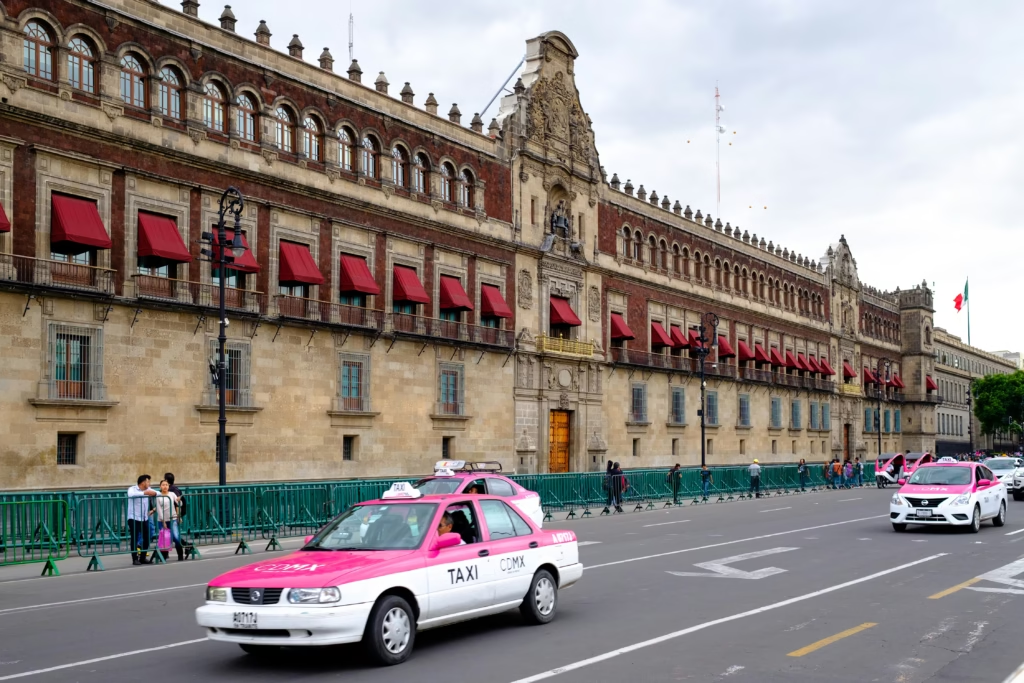
Ride-hailing apps such as Uber, DiDi, and Cabify are widely used in Mexico City and are generally safer and more predictable than street taxis. They provide upfront pricing, driver information, and trip tracking, making them a popular choice for short trips within central neighborhoods.
However, ride-hailing services are still subject to traffic, surge pricing, limited availability during peak hours, and cancellations. For longer days, group travel, or time-sensitive itineraries, they can become inefficient and unpredictable.
Street taxis are plentiful but not generally recommended for visitors unless arranged through a hotel or official stand. Pricing can vary, and language barriers may create confusion.
For travelers who value consistency and peace of mind, these limitations often lead them to choose private transportation as a primary solution rather than a backup option.
Car Rentals: Not Always the Best Choice for Visitors
While renting a car might seem like a convenient way to explore Mexico City, it is generally not recommended for most visitors.
The city’s size, complex road networks, and heavy traffic can make driving stressful, even for experienced drivers. Street signs may be confusing, parking is limited and often expensive, and navigating busy neighborhoods like Polanco, Roma, or the Historic Center requires local knowledge.
Additionally, traffic congestion during peak hours can significantly increase travel times, making a car less efficient than other transportation options. Ride-hailing apps, taxis, and especially private transportation with Two Travel offer a safer and more predictable alternative.
For visitors planning day trips outside the city or multi-stop itineraries, a professional driver familiar with traffic patterns ensures punctuality, comfort, and peace of mind, letting travelers focus on enjoying the city rather than managing logistics behind the wheel.
Airport Transportation: Start Your Trip Stress-Free
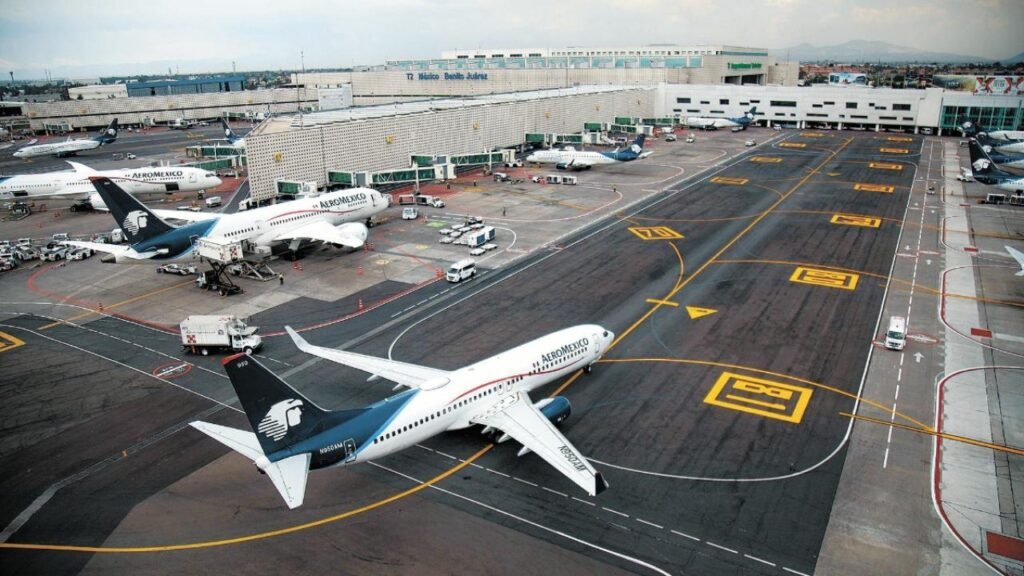
Arriving in Mexico City often sets the tone for the entire trip, making airport transportation an important consideration. The city’s main airport, Benito Juárez International Airport, is well connected but can be busy and can be overwhelming, particularly for first-time visitors. Public transportation options such as the metro and Metrobús are available but are not ideal for travelers with luggage or those unfamiliar with the system.
Public transportation options from the airport include the metro and Metrobús. While affordable, these options are not ideal for travelers with luggage or those unfamiliar with the system. Authorized airport taxis are available, but pricing varies and wait times can be long. Traffic conditions can further complicate arrival.
Private airport transfers by Two Travel provide the most reliable solution. With pre-arranged pickup, clear pricing, and professional drivers, travelers can avoid confusion, long lines, and unexpected delays. This is especially valuable after long international flights or late-night arrivals.
Start your Mexico City adventure right: book a private airport transfer with Two Travel for a smooth, comfortable, and timely arrival at your hotel.
Mexico City Traffic: A Reality Every Visitor Must Plan For
Mexico City traffic is one of the defining realities of transportation in the city. Mexico City traffic is notoriously unpredictable. Congestion occurs during morning and evening rush hours, but can also arise unexpectedly due to weather, accidents, or special events.
Distances can be deceptive. What appears a short distance on a map may take much longer than expected due to traffic patterns, traffic lights, and road conditions. This unpredictability is one of the main reasons travelers struggle when relying solely on public transport, ride-hailing apps, or taxis.
Private transportation helps mitigate this challenge. Two Travel drivers are experienced with traffic patterns, alternative routes, and timing strategies. Using private transportation for airport transfers, tours, meetings, and evening outings reduces stress and wasted time while allowing visitors to explore more efficiently.
The Integrated Mobility Card
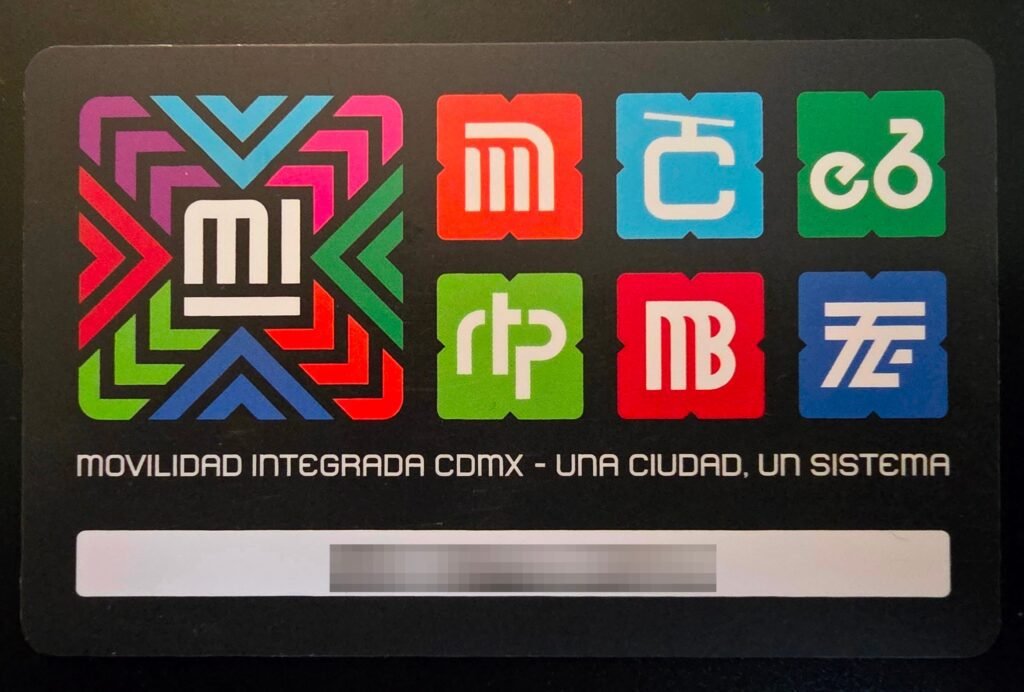
Most public transportation systems in Mexico City operate using a single integrated mobility card. This card works on the metro, Metrobús, Tren Ligero, Ecobici bike-sharing, and some bus services. Travelers can purchase the card at metro stations and recharge it as needed.
For travelers planning to use public transportation regularly, the card simplifies payment by eliminating the need to buy individual tickets. However, it does not eliminate challenges related to crowding, navigation, or traffic delays. This is why combining public transportation with private transportation is often the most efficient approach.
Travel Smarter in Mexico City With the Right Transportation Strategy
Mexico City is a city of scale, history, and endless experiences. While the transportation options are diverse, the key to enjoying them lies in having a clear strategy. Base your trips around private transportation with Two Travel to ensure reliability, safety, and time efficiency. Then complement with public transit, walking, or biking to explore the city up close.
By planning strategically and combining the right modes, visitors can navigate Mexico City confidently, focus on experiences rather than logistics, and truly enjoy everything the city has to offer.



 Spanish
  English